
on the sidelines of the World Economic Forum
The theme “Poland Future Ready” reflects an ambition to build a future grounded in innovation, resilience and impact.
At the Hub, we will explore how Poland is shaping a tech-driven, secure and future-ready tomorrow as a strategic partner for Europe and an emerging voice in the G20 economy. Discussions will cover AI, automation, dual-use technologies, energy transition, modern finance, and security highlighting efforts to strengthen Europe’s competitiveness, resilience and digital sovereignty.
The program will also bring together leading academic and business partners, fostering collaboration and knowledge exchange to power sustainable growth and innovation.
To be future ready means not only to adapt but to shape.

The theme “Poland Future Ready” reflects an ambition to build a future grounded in innovation, resilience and impact.
At the Hub, we will explore how Poland is shaping a tech-driven, secure and future-ready tomorrow as a strategic partner for Europe and an emerging voice in the G20 economy. Discussions will cover AI, automation, dual-use technologies, energy transition, modern finance, and security highlighting efforts to strengthen Europe’s competitiveness, resilience and digital sovereignty.
The program will also bring together leading academic and business partners, fostering collaboration and knowledge exchange to power sustainable growth and innovation.
To be future ready means not only to adapt but to shape.
Level -1
14:00
15:30
Book
Held under Chatham House Rule – by invitation only.
This roundtable will bring together representatives from the defense sector, technology companies and investment funds to examine how these three domains can cooperate more effectively in a rapidly evolving security environment. The discussion will address the challenges arising from differing operational logics, regulatory frameworks and innovation cycles and will focus on building a clearer mutual understanding of the mechanisms that guide each sector. Participants will explore pathways for improved alignment, accelerated dual-use innovation and more efficient deployment of capital to strengthen national and allied resilience.
Ground floor
15:00
16:30
Book
Keynote: The opening of the Polish Business Hub in Davos will mark the start of high-level discussions, bringing together government, business and international partners.
Panel: Public institutions face rising expectations, tighter resources, and fast moving geopolitical and technological pressures. The next decade will require more than modernization. It will demand a reinvention of public services built on secure digital infrastructure, agile governance, and closer cooperation with innovative industries. This panel brings together policymakers and technology leaders to explore how data driven delivery, trusted AI, and resilient digital systems can transform state capacity and ensure that public services remain effective, inclusive, and futureproof.
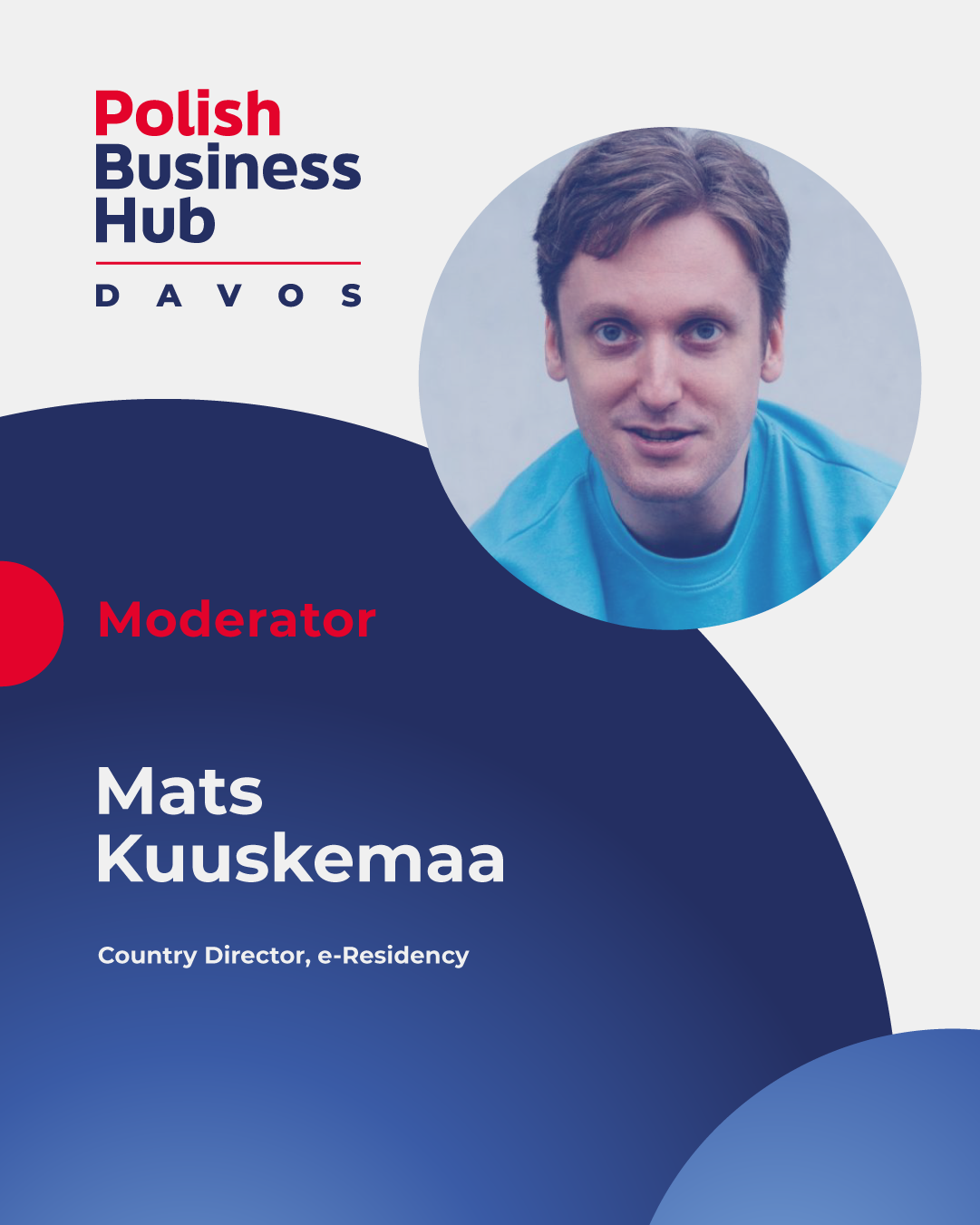
Mats Kuuskemaa – MODERATOR
Country Director, e-Residency
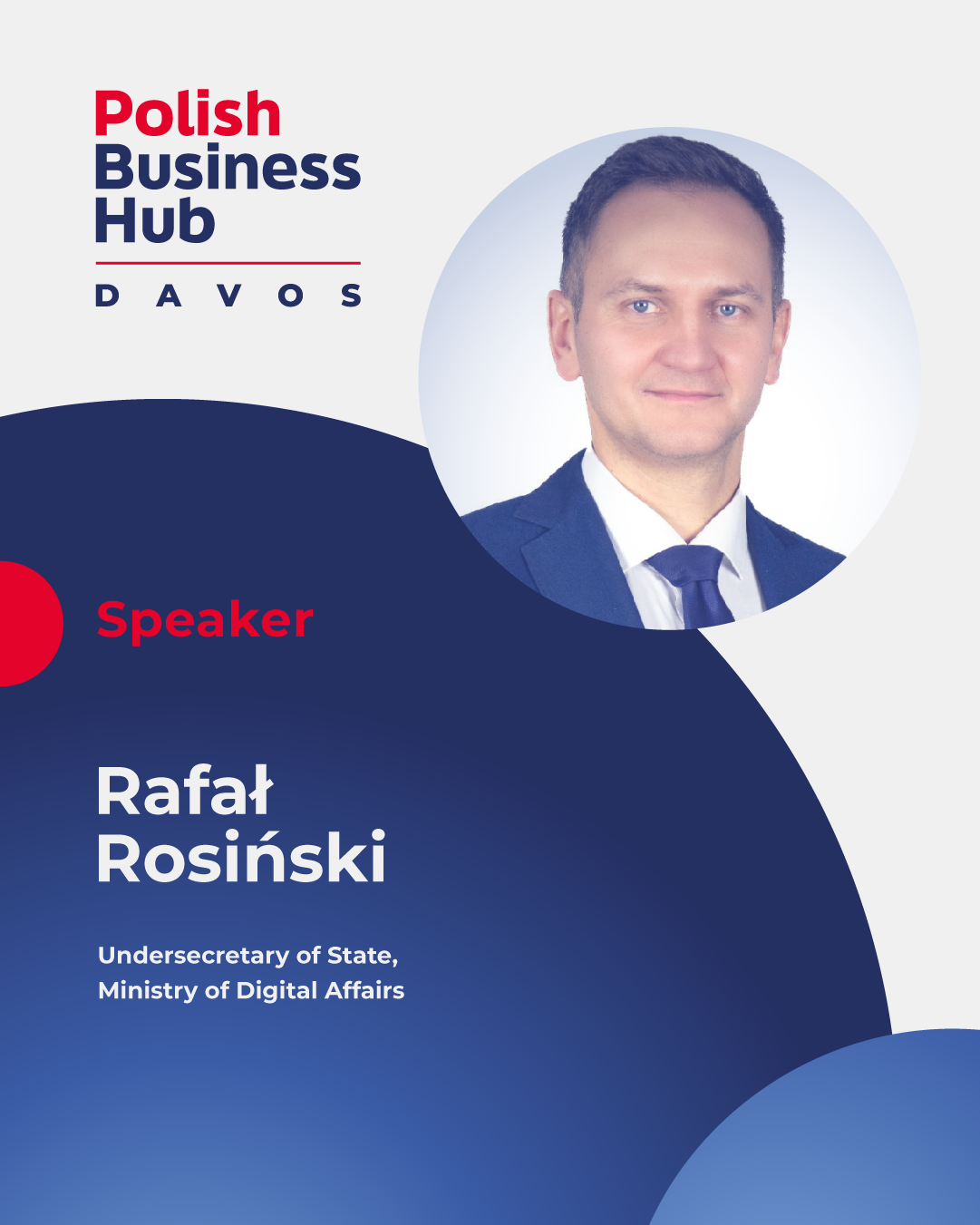
Rafał Rosiński
Undersecretary of State, Ministry of Digital Affairs
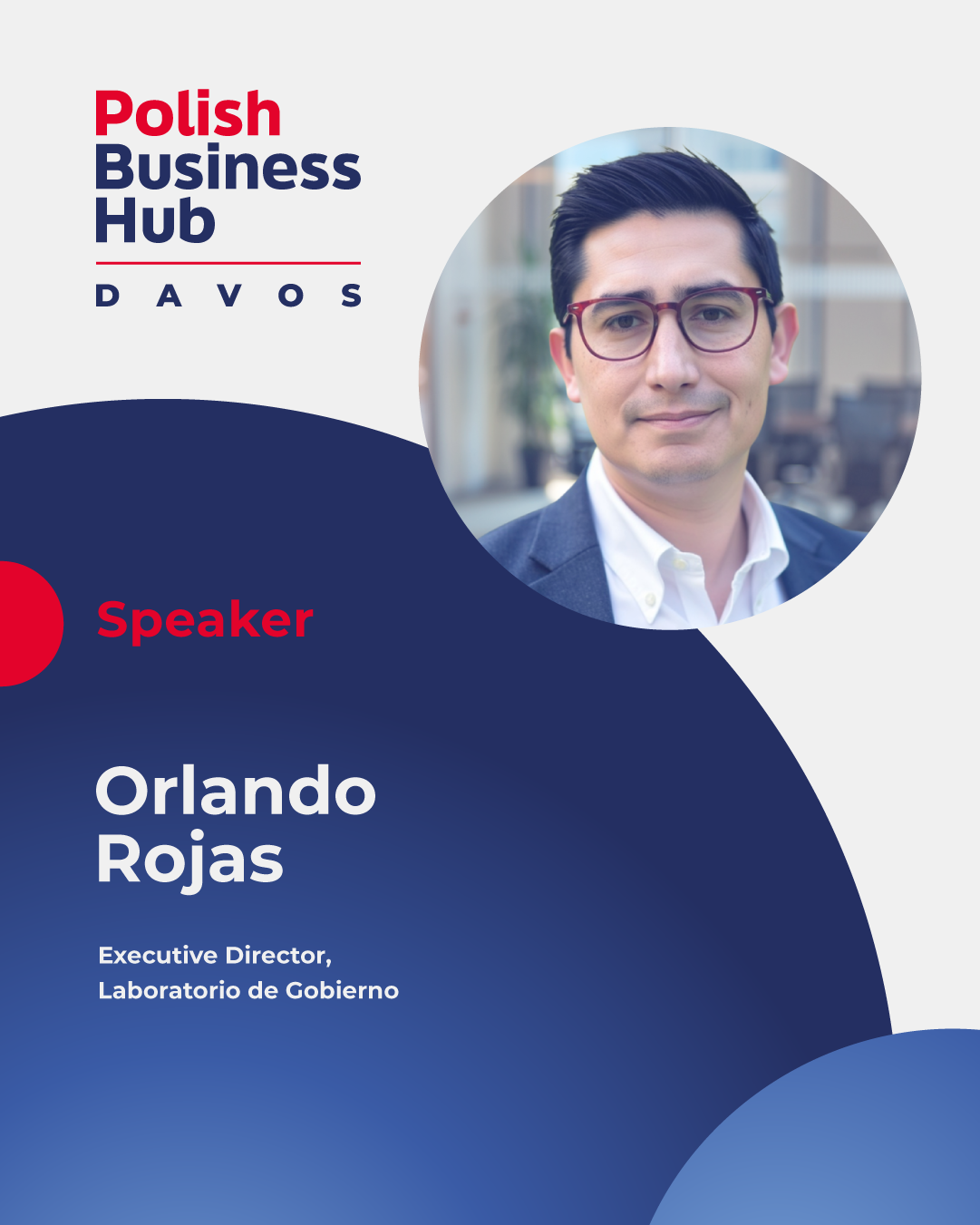
Orlando Rojas
Executive Director, Laboratorio de Gobierno
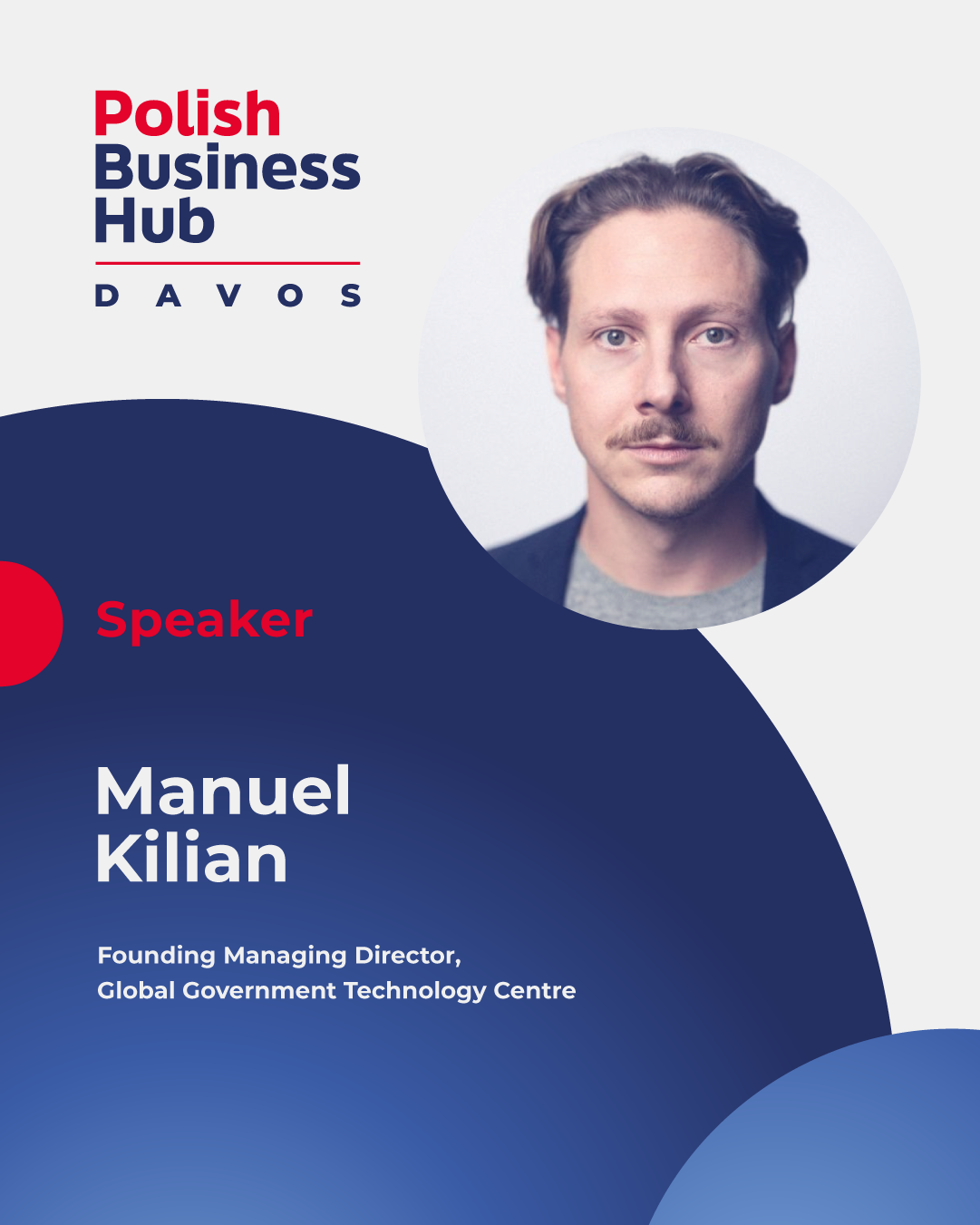
Manuel Kilian
Founding Managing Director, Global Government Technology Centre
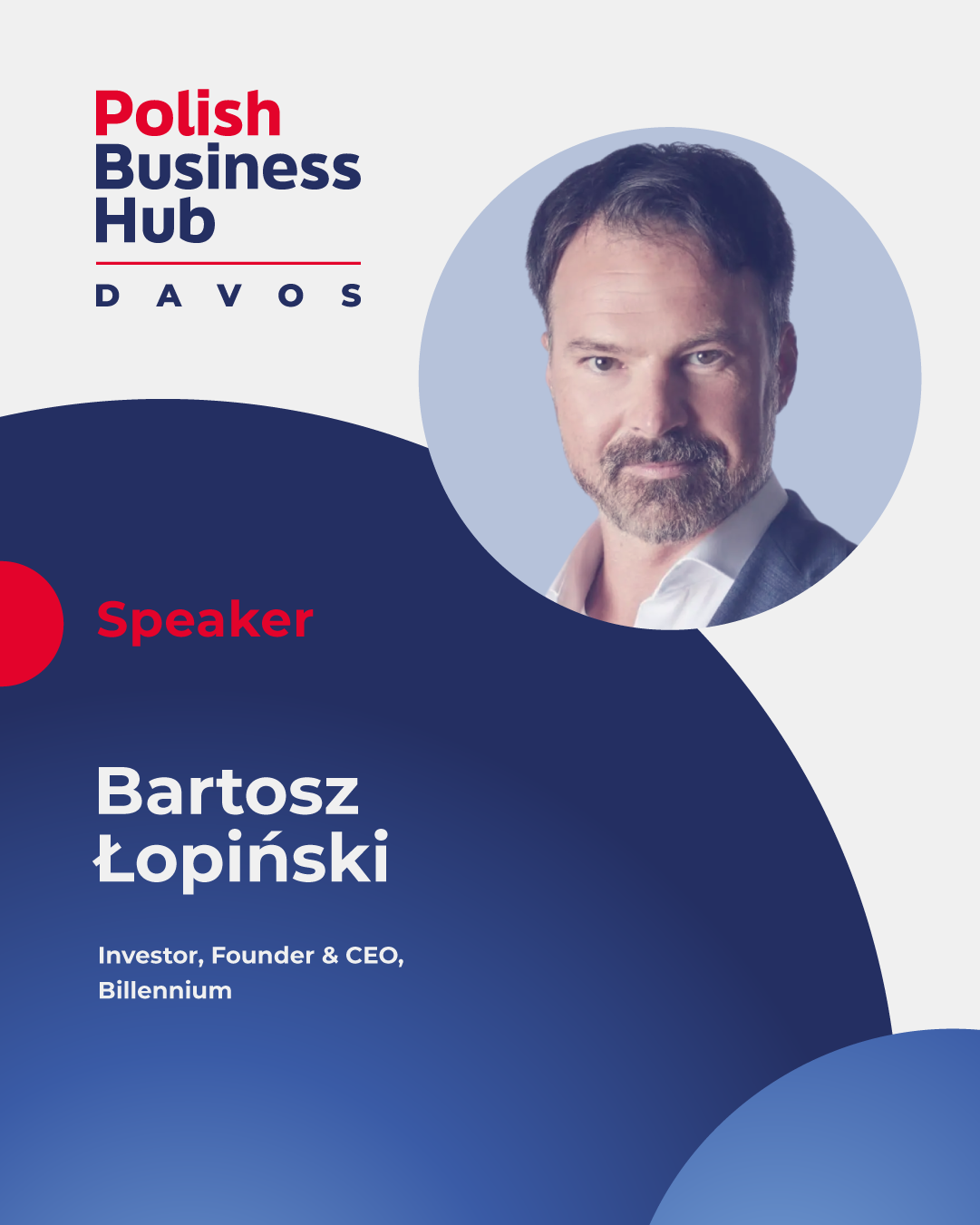
Bartosz Łopiński
CEO, Billennium
Ground floor
19:00
22:00
Book
By invitation only.
An exclusive welcome cocktail to open the Davos experience.
Ext. venue
19:30
22:00
Book
Held under Chatham House Rule, seated format – by invitation only.
This high-level dinner brings together leaders from Poland, Finland, Estonia, Sweden, Denmark and Ukraine to discuss the future of European stability and strategic cooperation. In the context of ongoing regional security challenges, this dialogue provides an important opportunity to exchange perspectives on regional risk environment, resilience and collaboration between public and private sectors. The conversation will focus on strengthening the Nordic-Baltic resilience arc, enhancing regional collaboration and reinforcing collective efforts to ensure a safer and more stable Europe.
Ground floor
10:00
11:00
Book
This panel will explore how dual-use technologies, driven by data, AI, and autonomous platforms are reshaping European industry, defense and security. The discussion will focus on real-world applications, investment strategies, and public-private collaboration needed to scale these technologies. Participants will examine how satellite and drone capabilities enhance operational efficiency, resilience and strategic decision making across sectors.
Tobias Stone – MODERATOR
Co-founder & Editor-in-Chief
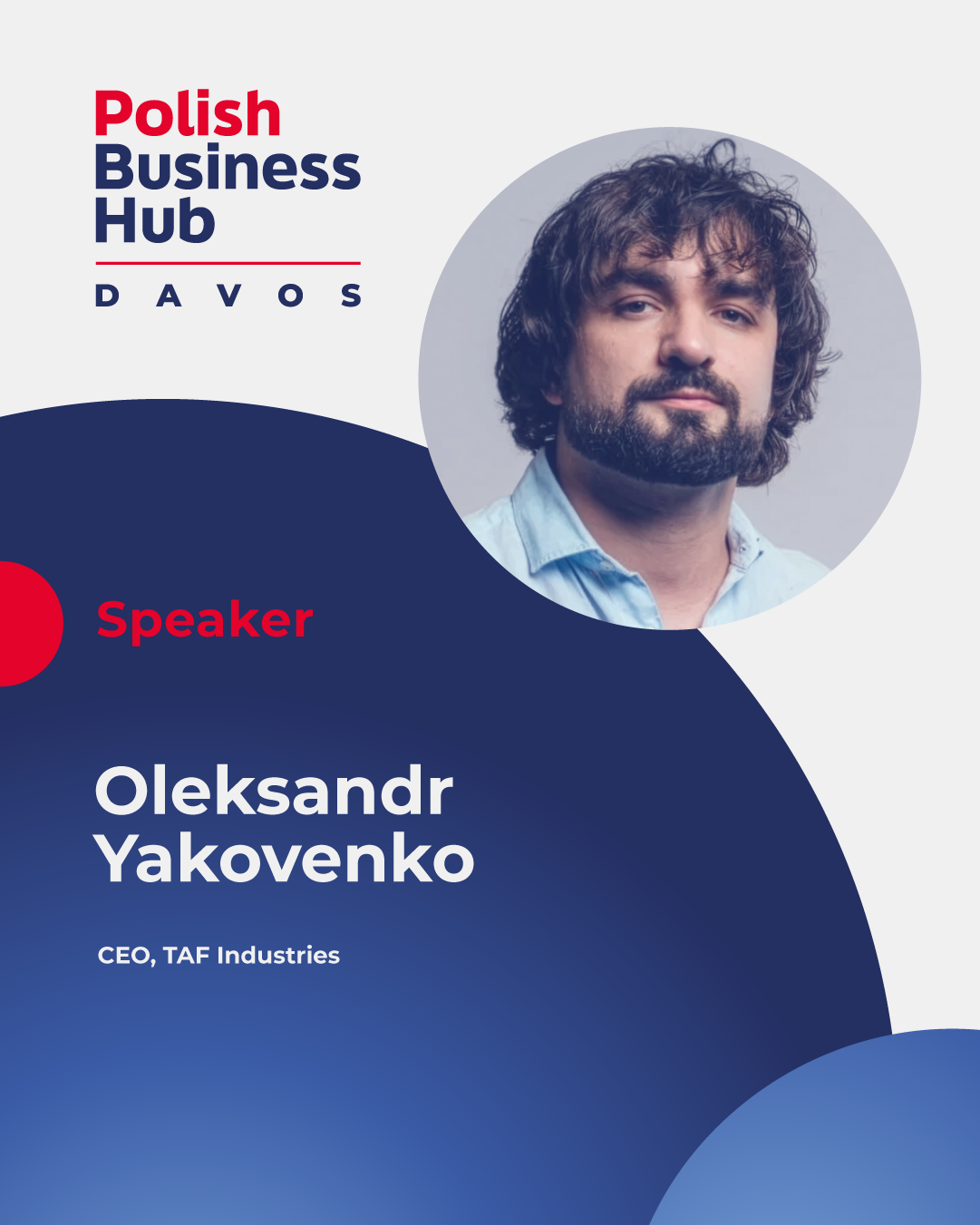
Oleksandr Yakovenko
CEO, TAF Industries
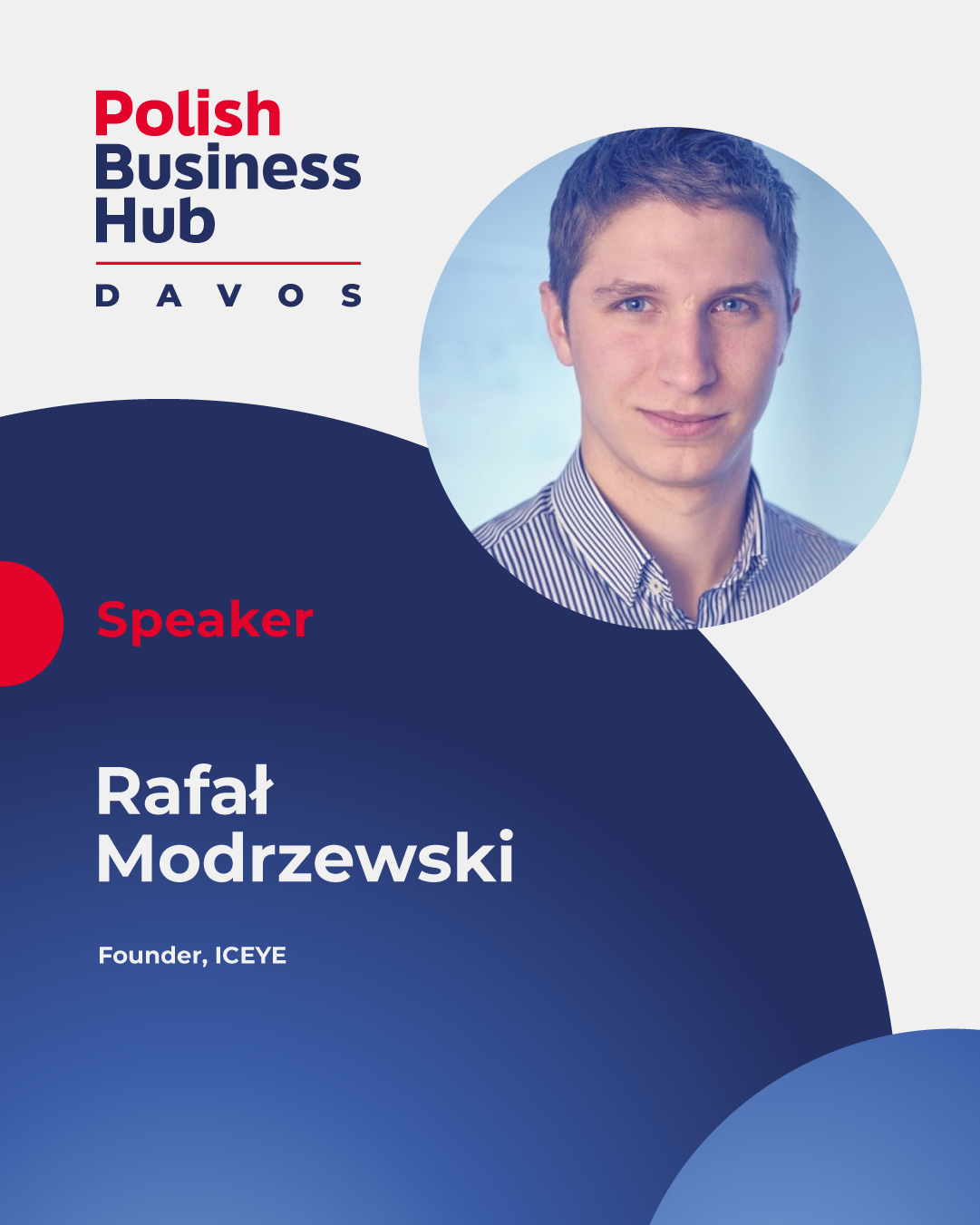
Rafał Modrzewski
Founder, ICEYE
Ground floor
11:30
12:15
Book
This session will offer insights and perspectives on navigating today’s complex security environment. The discussion will focus on emerging challenges, strategic decision-making, and approaches to building resilient defense and security frameworks for the future.
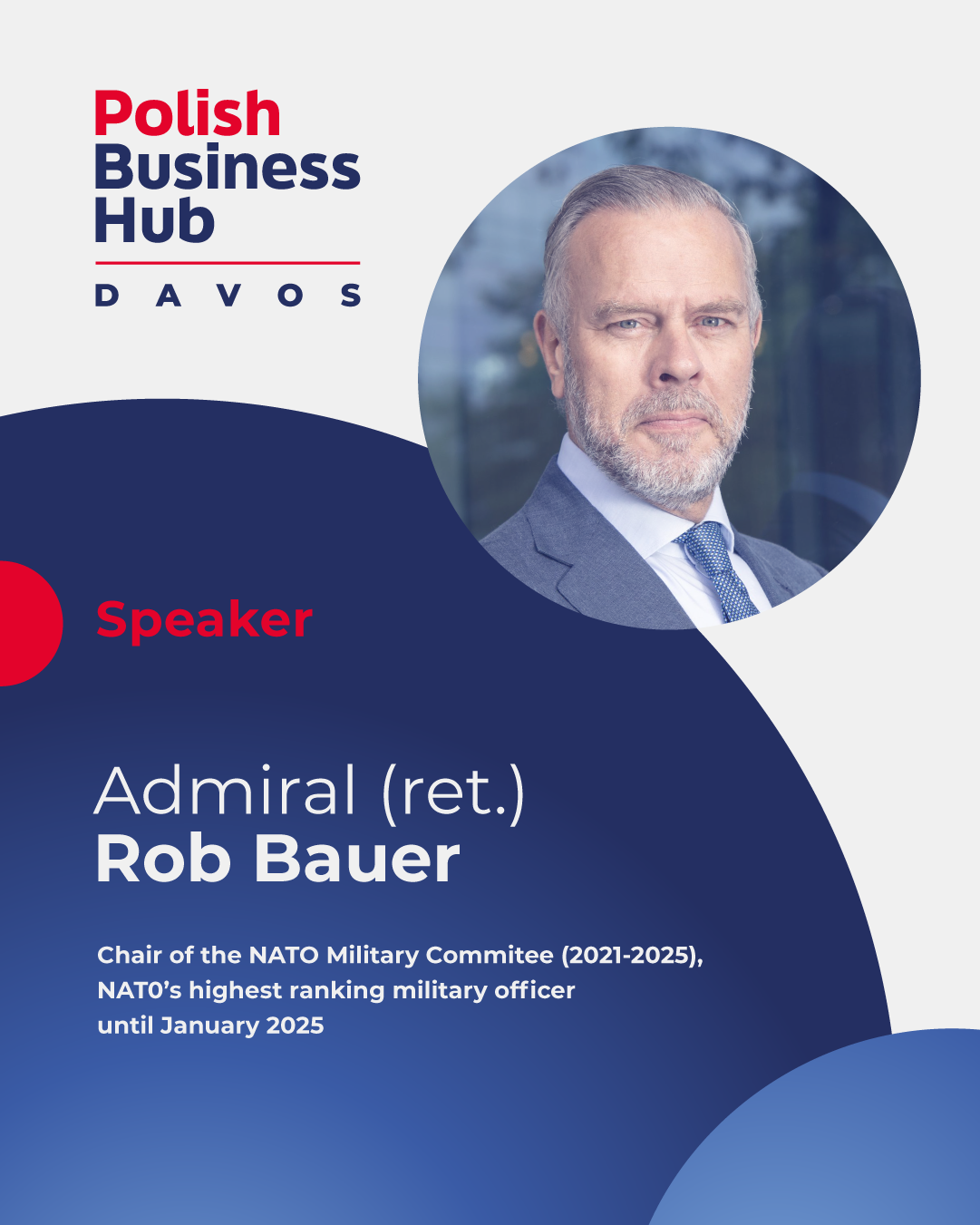
Admiral (ret.) Rob Bauer
Former Chair of the Military Committee of NATO
Ground floor
12:30
13:30
Book
This panel will examine the shift in geopolitics and what that might mean for our economies if deterrence fails. It will then discuss what is required to deliver the resilience, readiness and agility required to underpin our defense and security, and how both government and business can work together to provide robust business models, symbiotically supporting each other to assure our security and economic future in times of crisis.
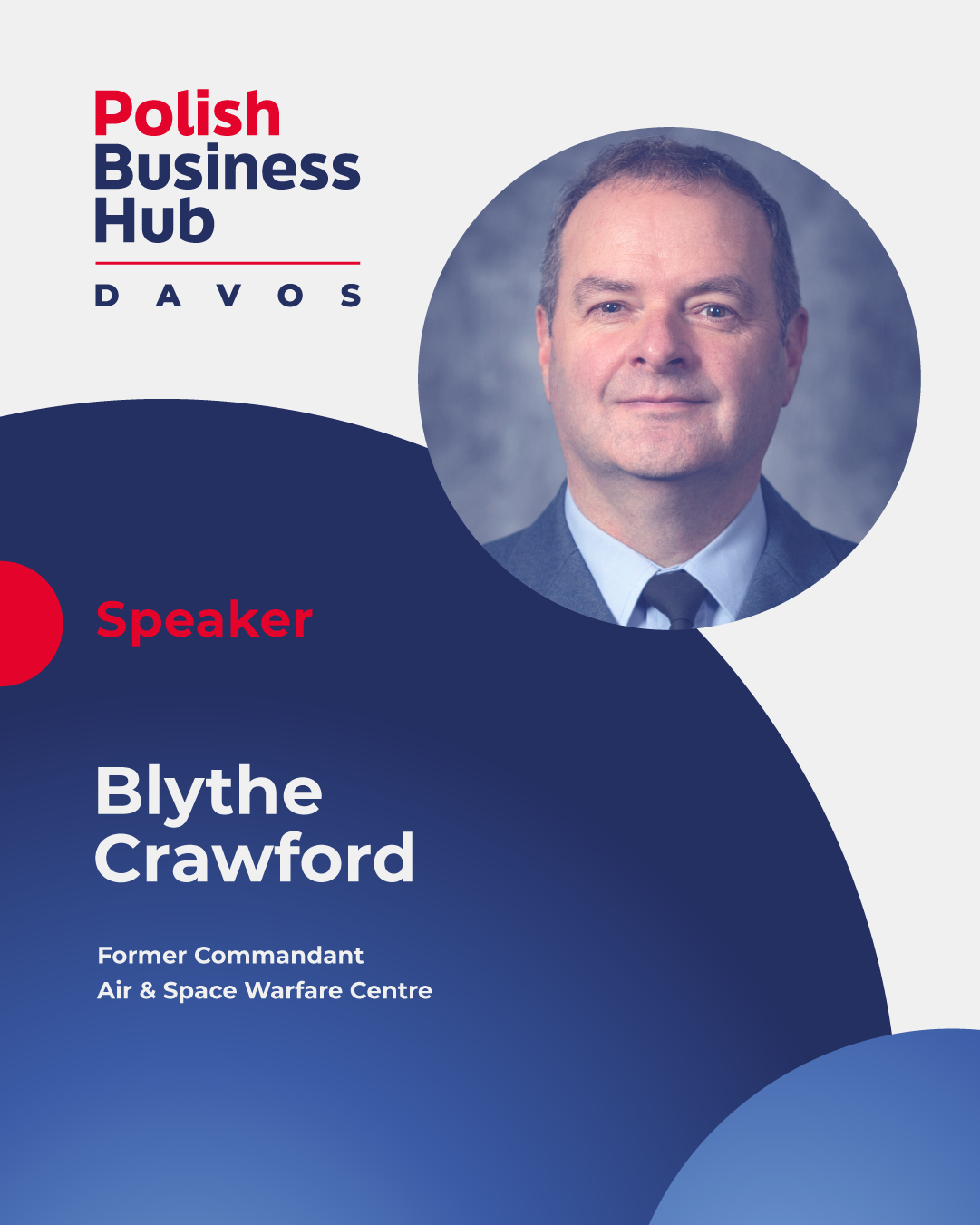
Blythe Crawford
Air Commodore, Commandant of the Air and Space Warfare Centre
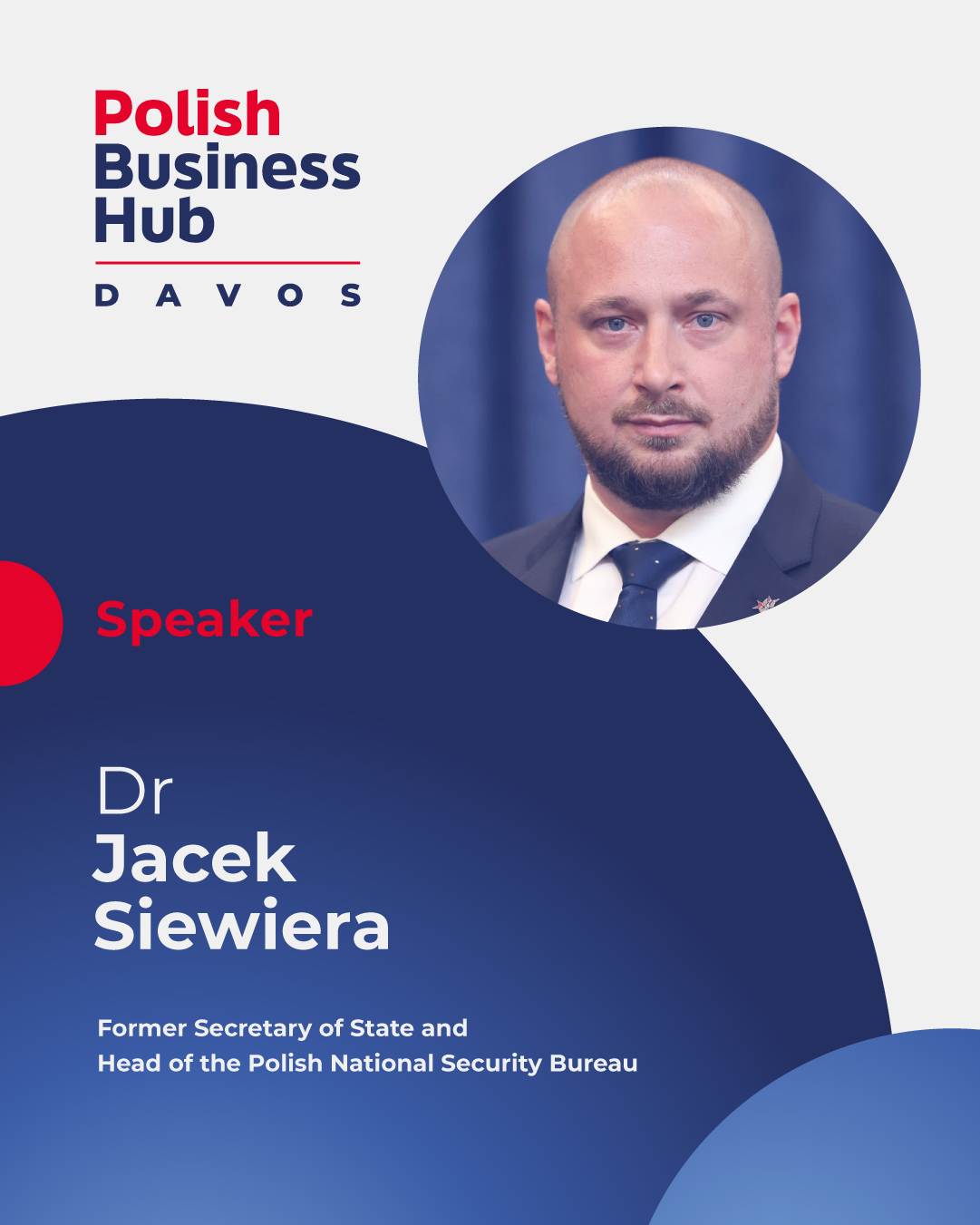
Dr Jacek Siewiera
Former Secretary of State and Head of the Polish National Security Bureau
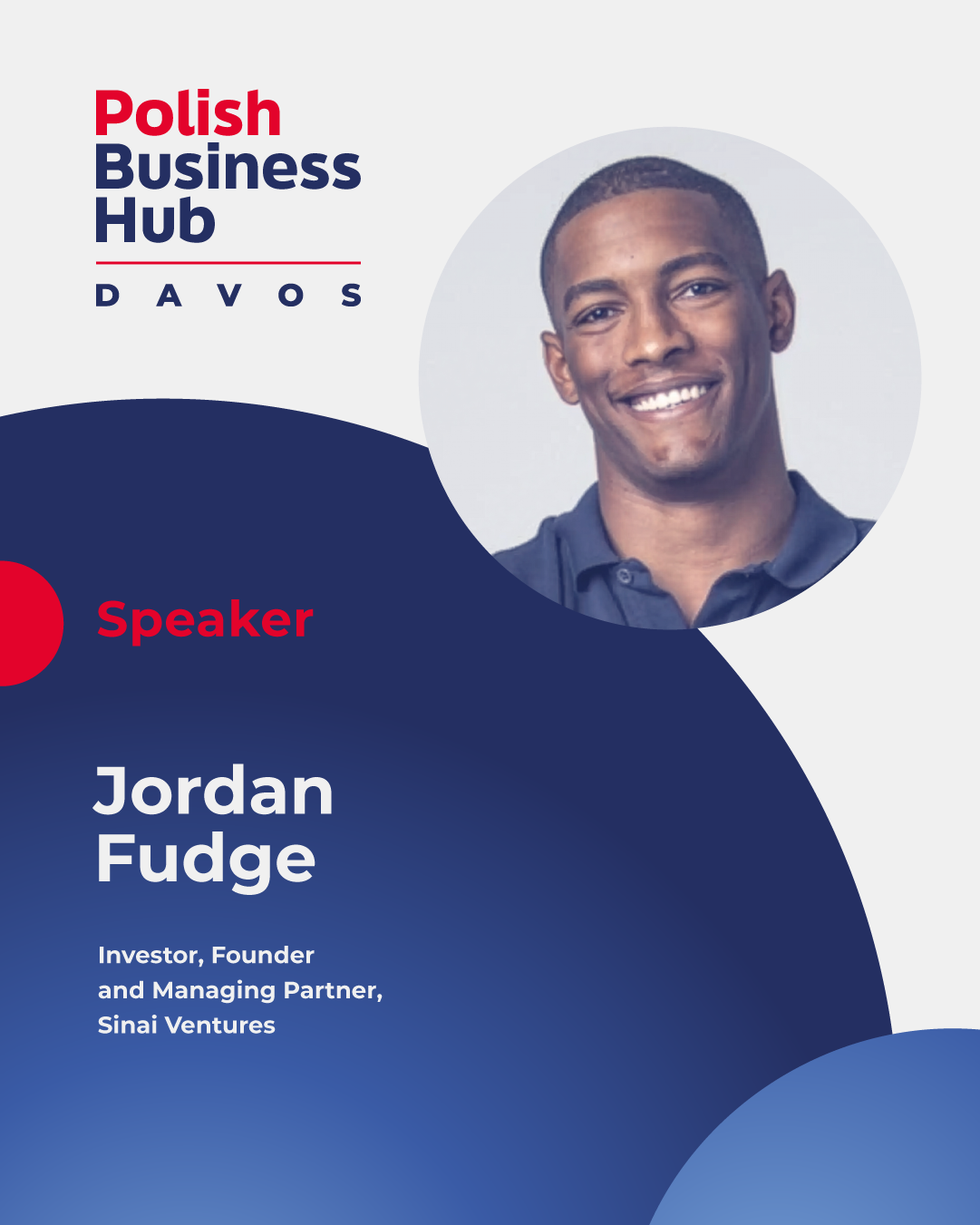
Jordan Fudge
Investor, Founder and Managing Partner, Sinai Ventures
Ground floor
14:00
15:00
Book
This panel will explore how AI can be scaled from strategic vision to impactful implementation. Discussions will focus on building the foundations for the next generation of AI, including innovation ecosystems and large-scale capabilities. Panelists will share insights on investment strategies, public-private collaboration, and the enabling environment needed to translate AI potential into real benefits for industry, research, and society.
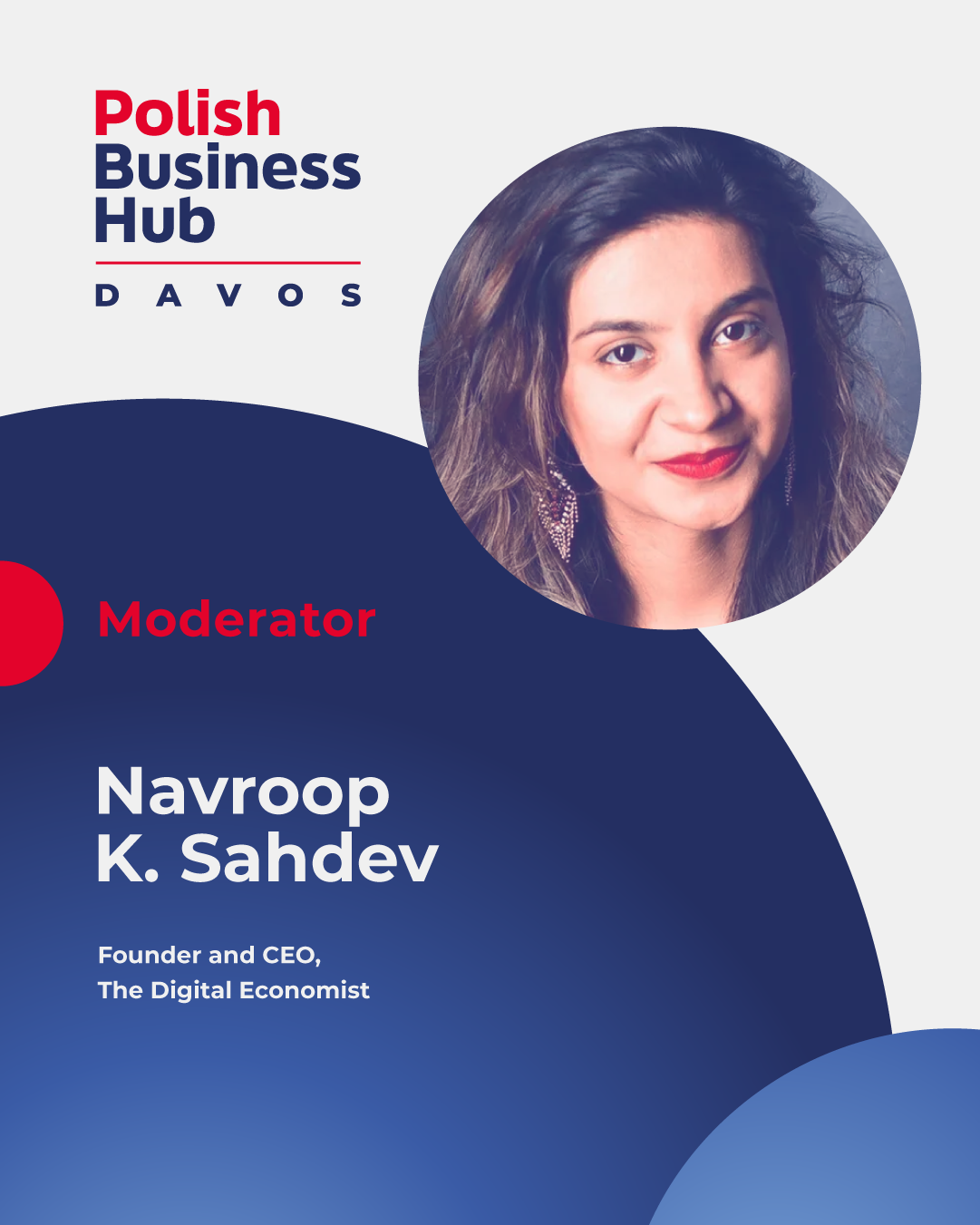
Navroop K. Sahdev – MODERATOR
Founder and CEO, The Digital Economist
Rafał Rosiński
Undersecretary of State, Ministry of Digital Affairs
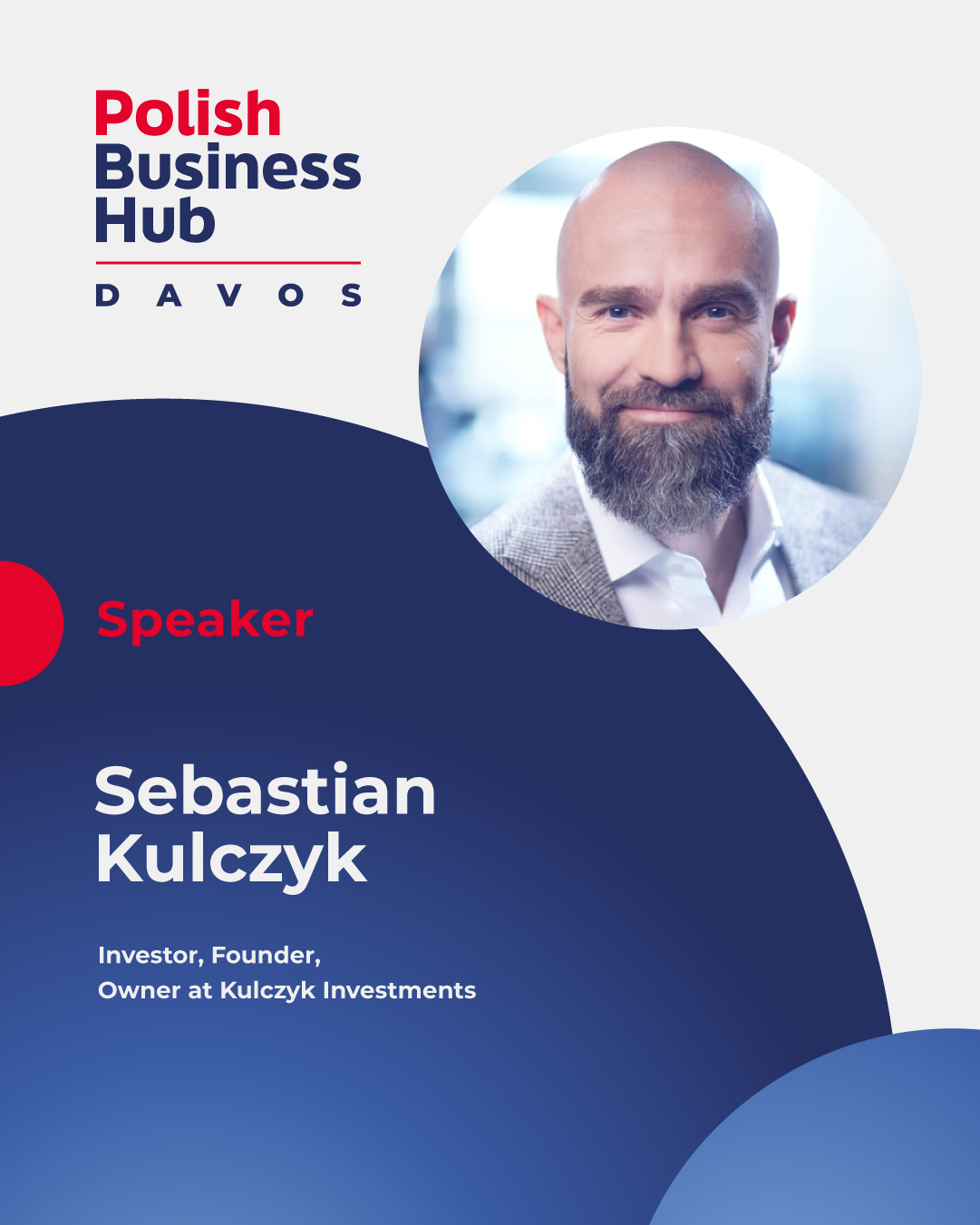
Sebastian Kulczyk
Investor, Founder, Owner at Kulczyk Investments
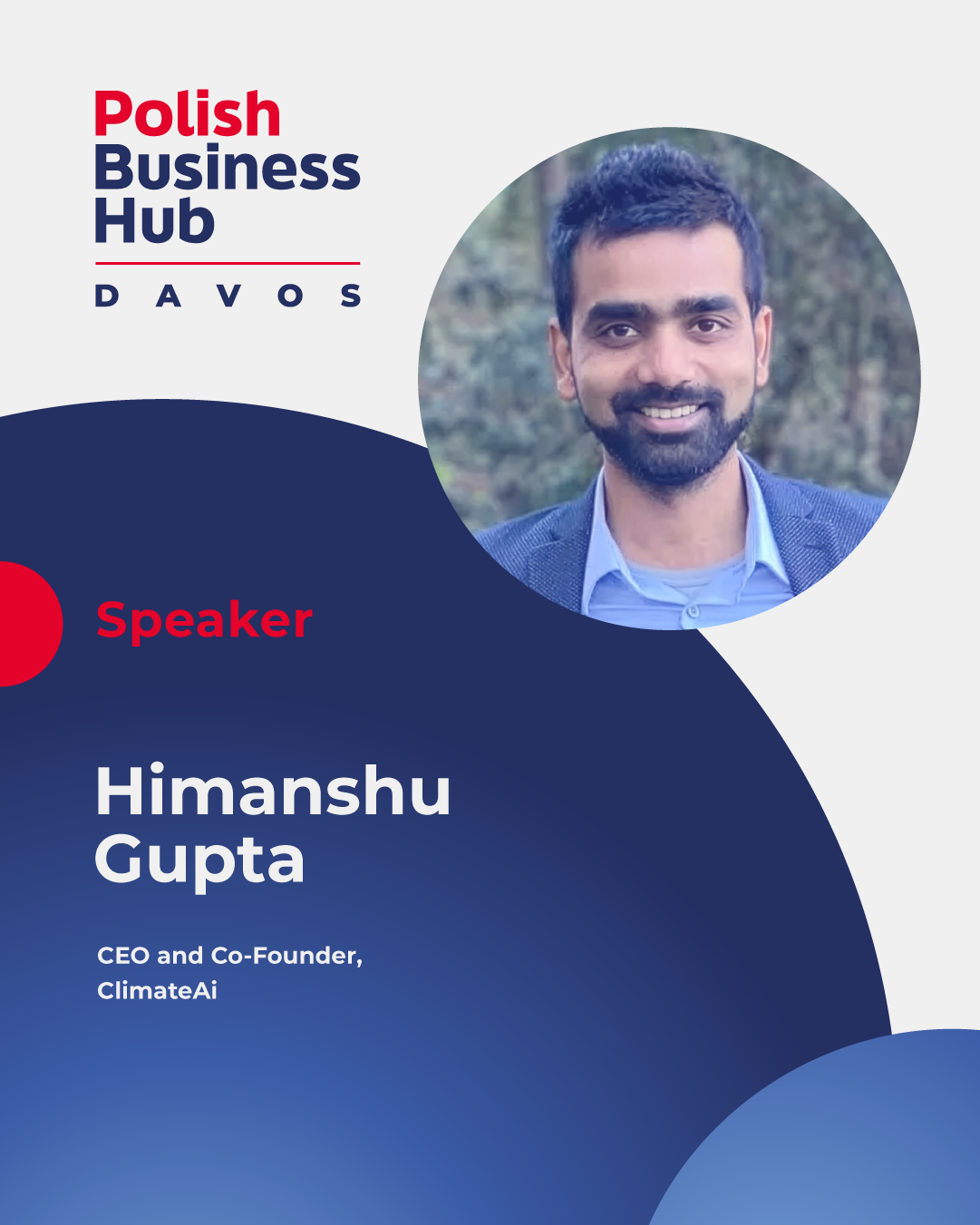
Himanshu Gupta
CEO and Co-Founder, ClimateAi
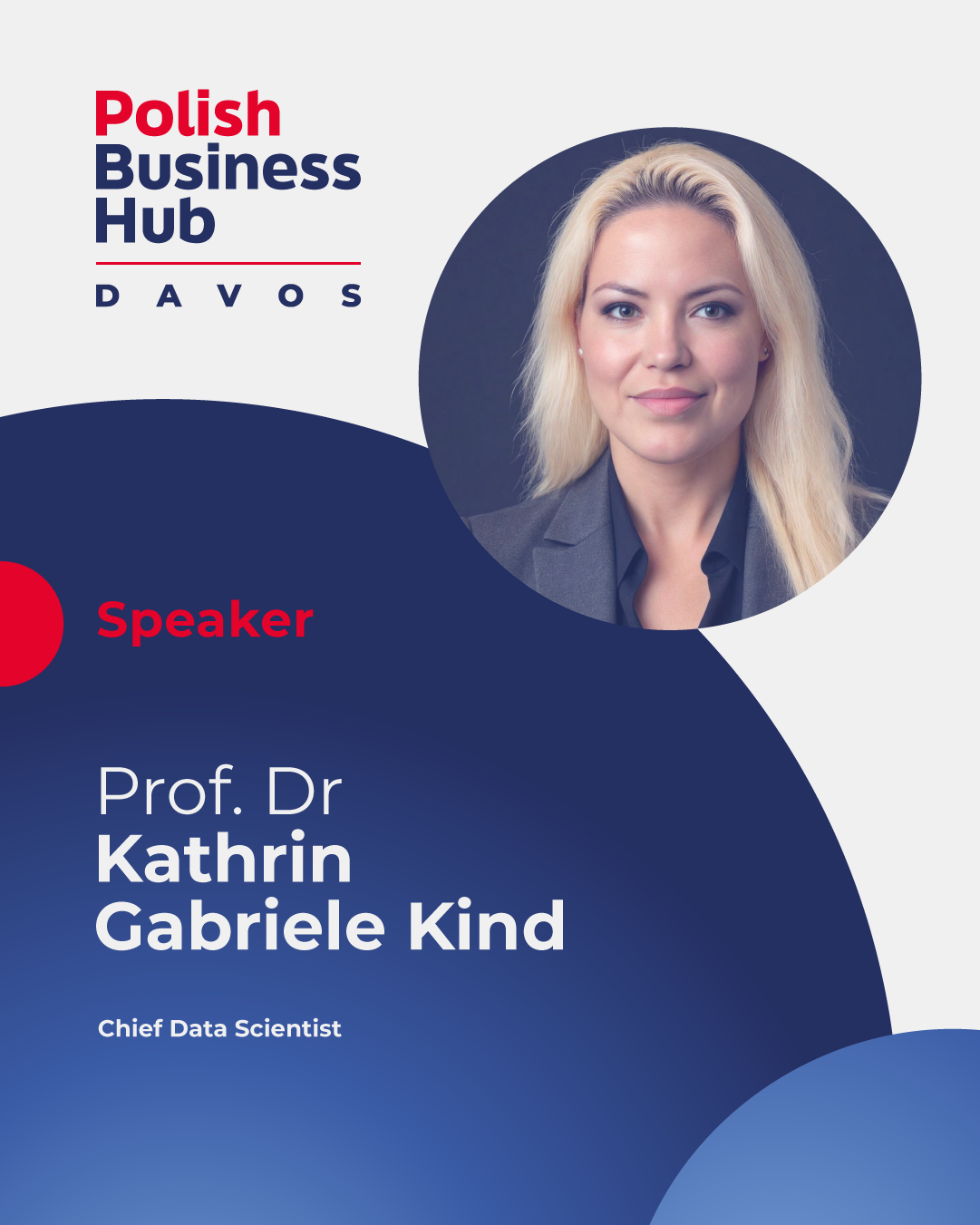
Prof. Dr Kathrin Gabriele Kind
Chief Data Scientist
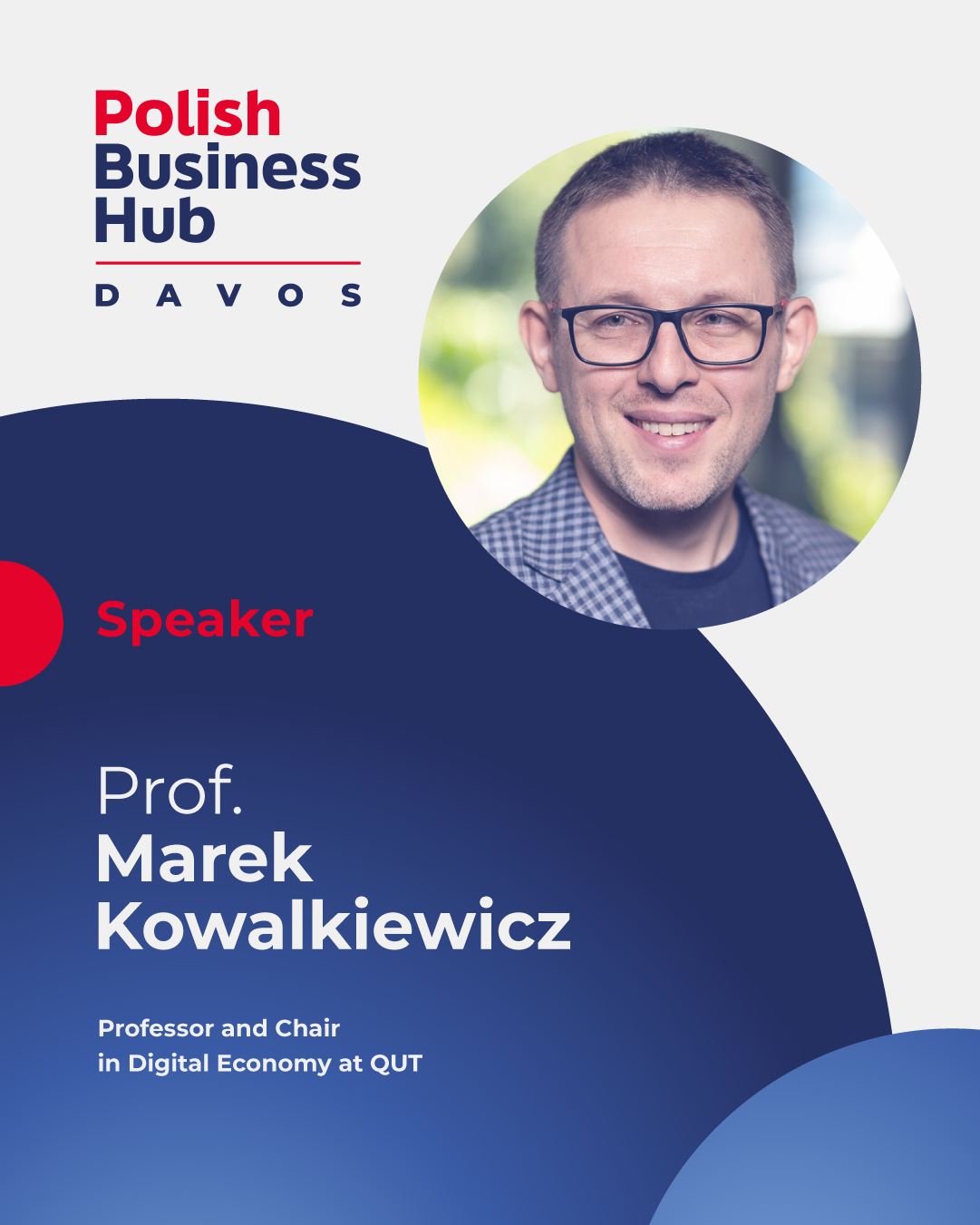
Prof. Marek Kowalkiewicz
Chair in Digital Economy, QUT
Level -1
14:30
16:00
Book
This invitation-only executive lunch will bring together technology innovators, investors, and defense sector leaders to explore collaboration across these domains and identify opportunities at the intersection of technology and data. The conversation will focus on investment opportunities, aligning dual-use technologies with strategic priorities, overcoming cross-sector challenges, and strengthening national and allied resilience.
Ground floor
15:30
16:30
Book
This panel will examine how Europe can secure its strategic sovereignty and global competitiveness through fair market conditions, resilient supply chains, and advanced AI. Experts will discuss the transformation of inventory management, transportation, and last mile delivery across digital and physical infrastructures, as well as the investment trends, cross border collaboration, and challenges shaping the future of European business.
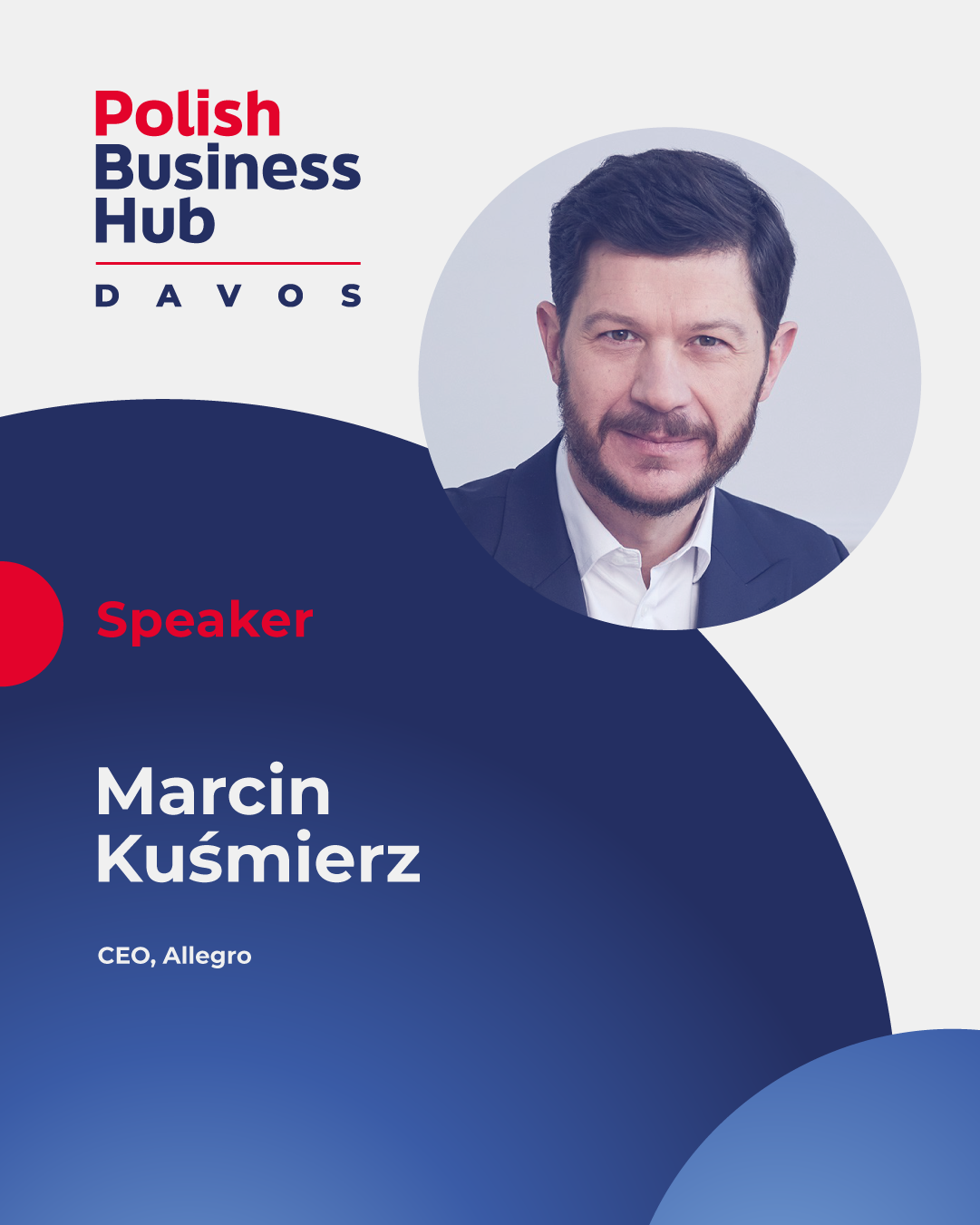
Marcin Kuśmierz
CEO, Allegro
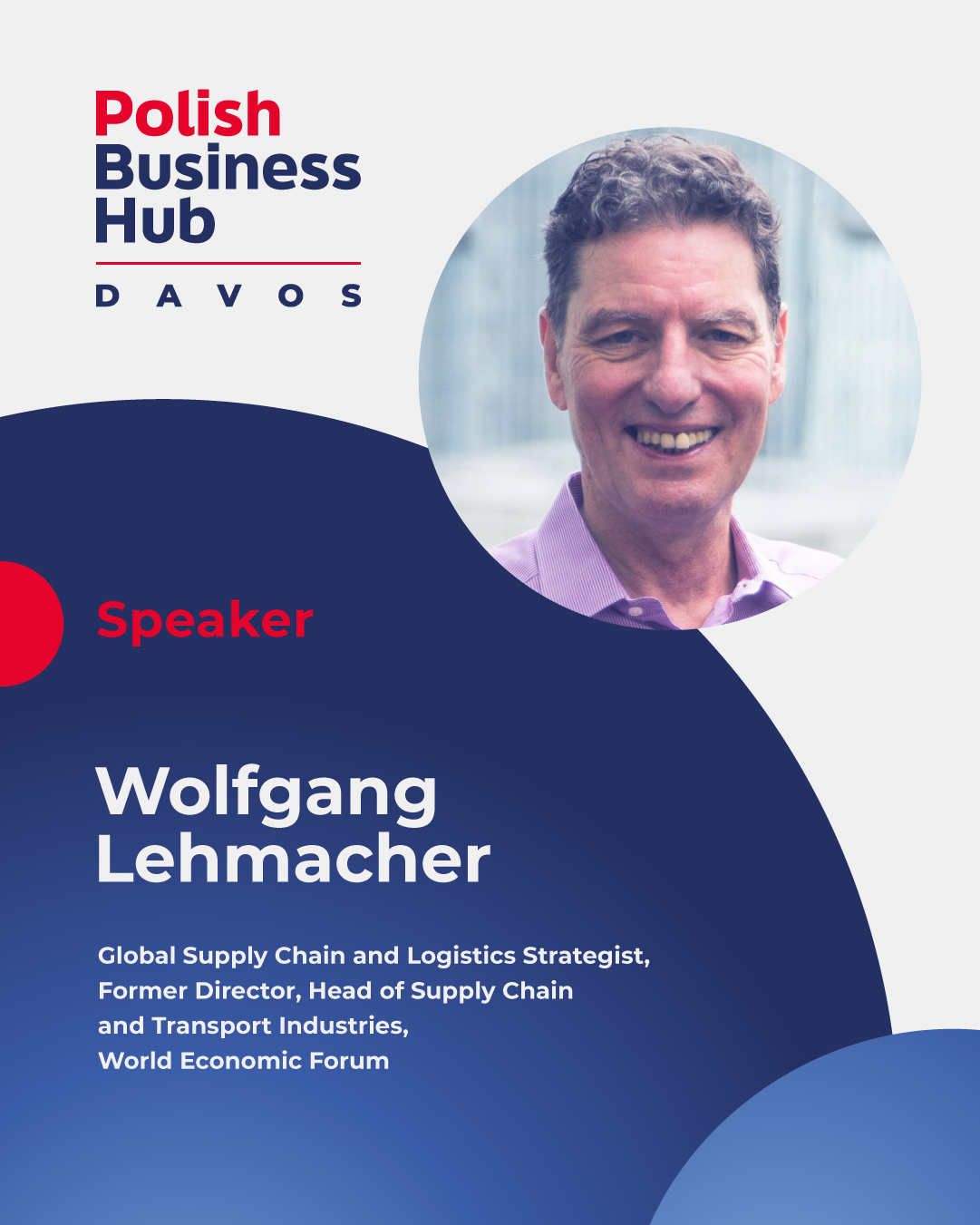
Wolfgang Lehmacher
Supply Chain and Technology Strategist, Former Head of Supply Chain and Transport at World Economic Forum
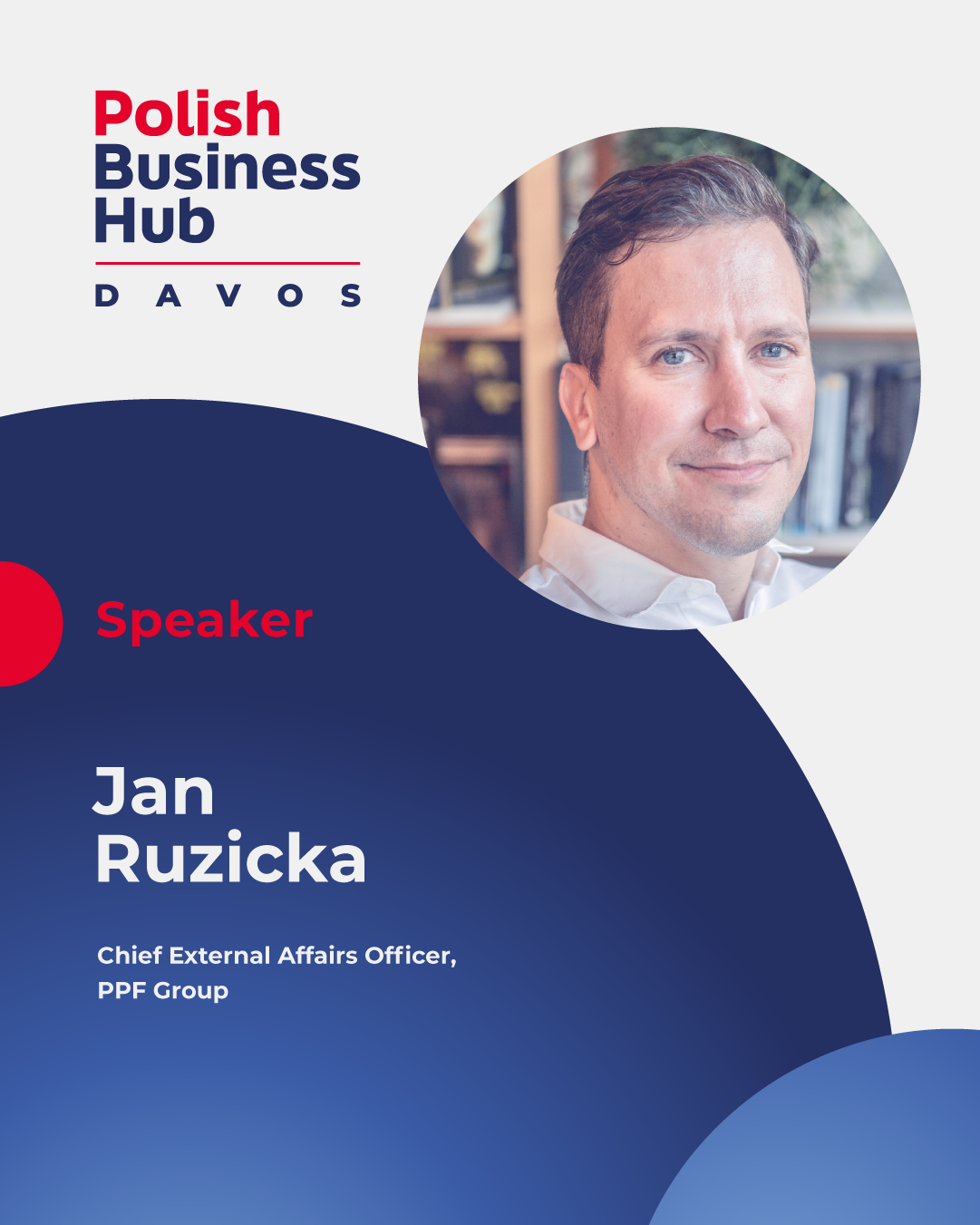
Jan Ruzicka
Chief External Affairs Officer, PPF Group
Ground floor
17:00
18:00
Book
This panel examines how global financial systems are evolving in a world shaped by fragmentation, rapid innovation, and rising geopolitical tension, and what is required to preserve cooperation, stability and growth. Participants will explore how modern payment solutions leverage real time processing, secure infrastructures and innovative financial services. These solutions enable businesses to grow, empower consumers with greater access and strengthen the resilience of financial ecosystems.
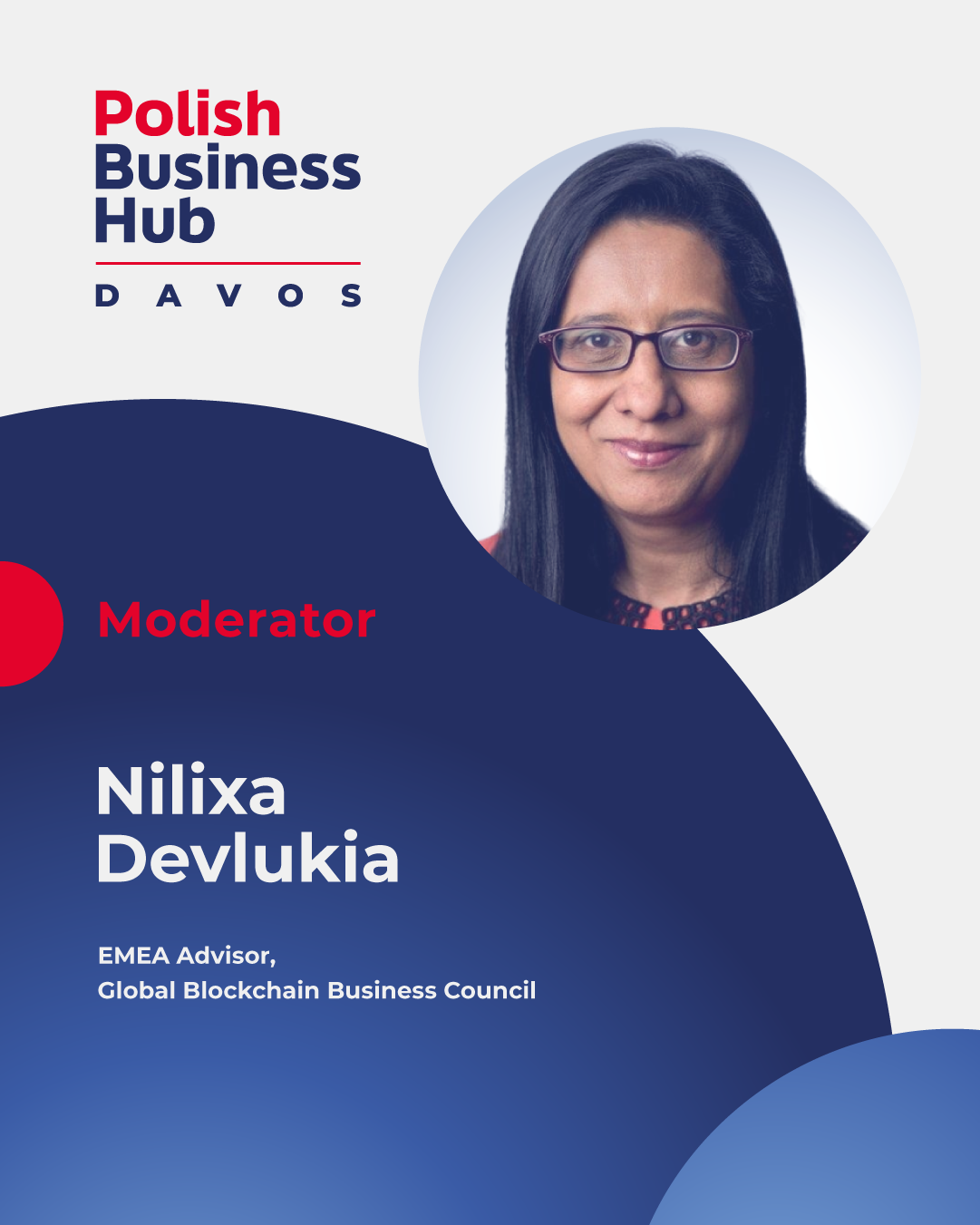
Nilixa Devlukia – MODERATOR
EMEA Advisor, Global Blockchain Business Council
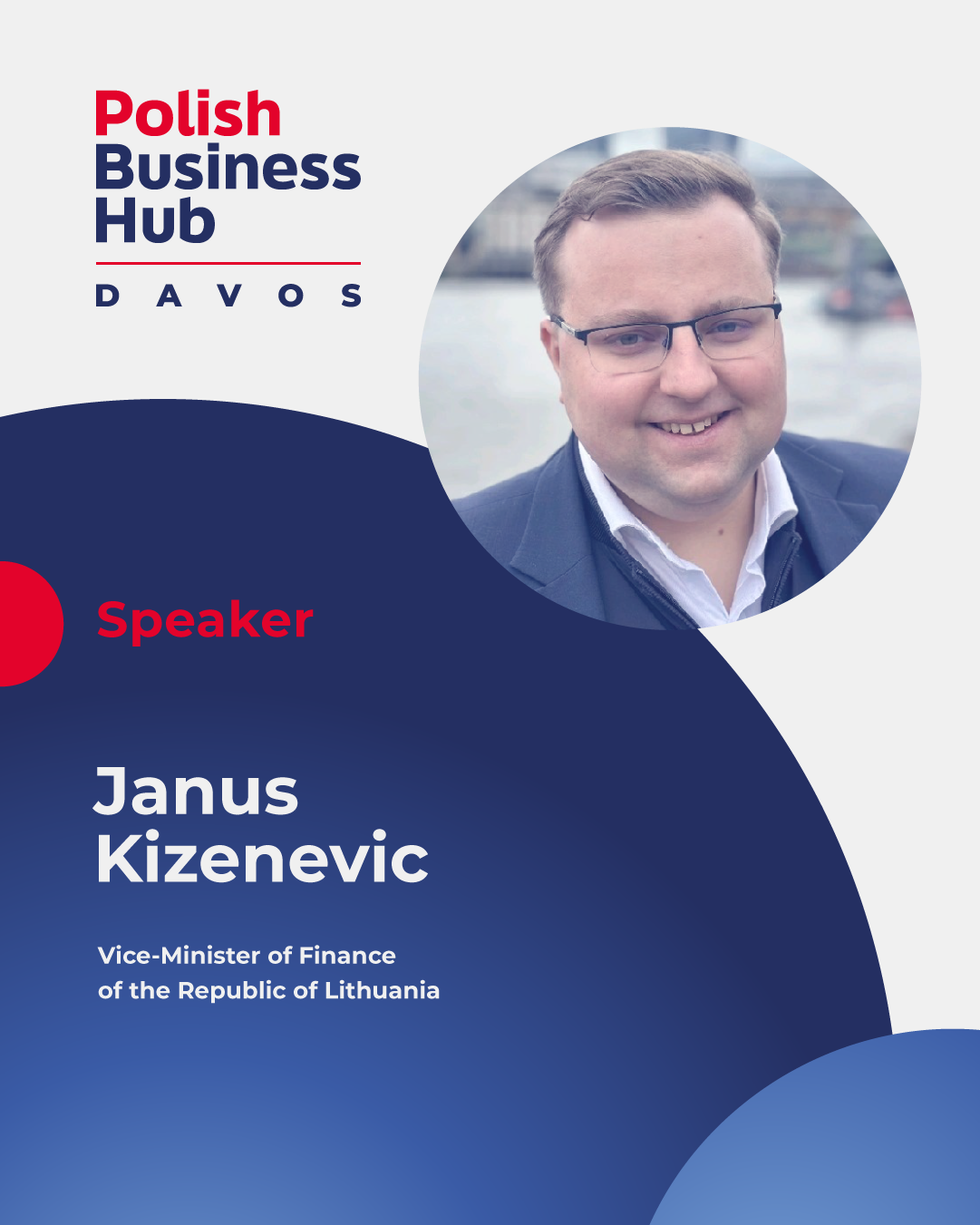
Janus Kizenevic
Vice-Minister of Finance of the Republic of Lithuania
Prof. Georgios Samakovitis
PhD, MEng, MSc, MBA, SFHEA, Professor of FinTech
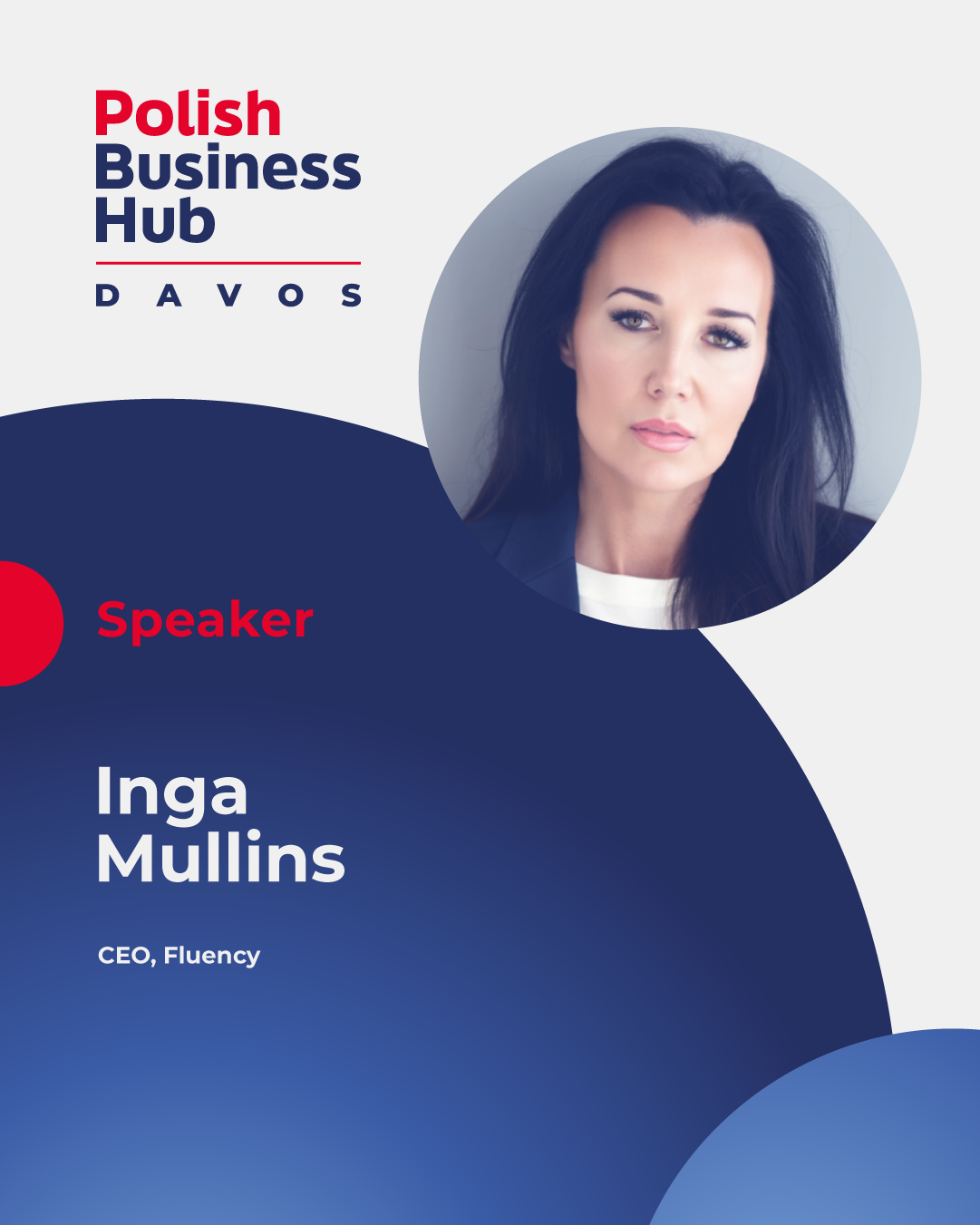
Inga Mullins
CEO, Fluency
Ground floor
19:00
22:00
Book
An invitation-only evening reception bringing together leaders shaping Europe’s tech future.
Ground floor
8:00
9:00
Ground floor
9:00
10:00
Book
This panel examines how digital transformation and artificial intelligence are reshaping business models, decision-making, and operational efficiency. Participants will discuss not only the opportunities of leveraging AI at scale to drive innovation and competitiveness, but also the associated challenges and risks, including cybersecurity, ethical considerations, data governance, and workforce adaptation in a rapidly evolving global economy.
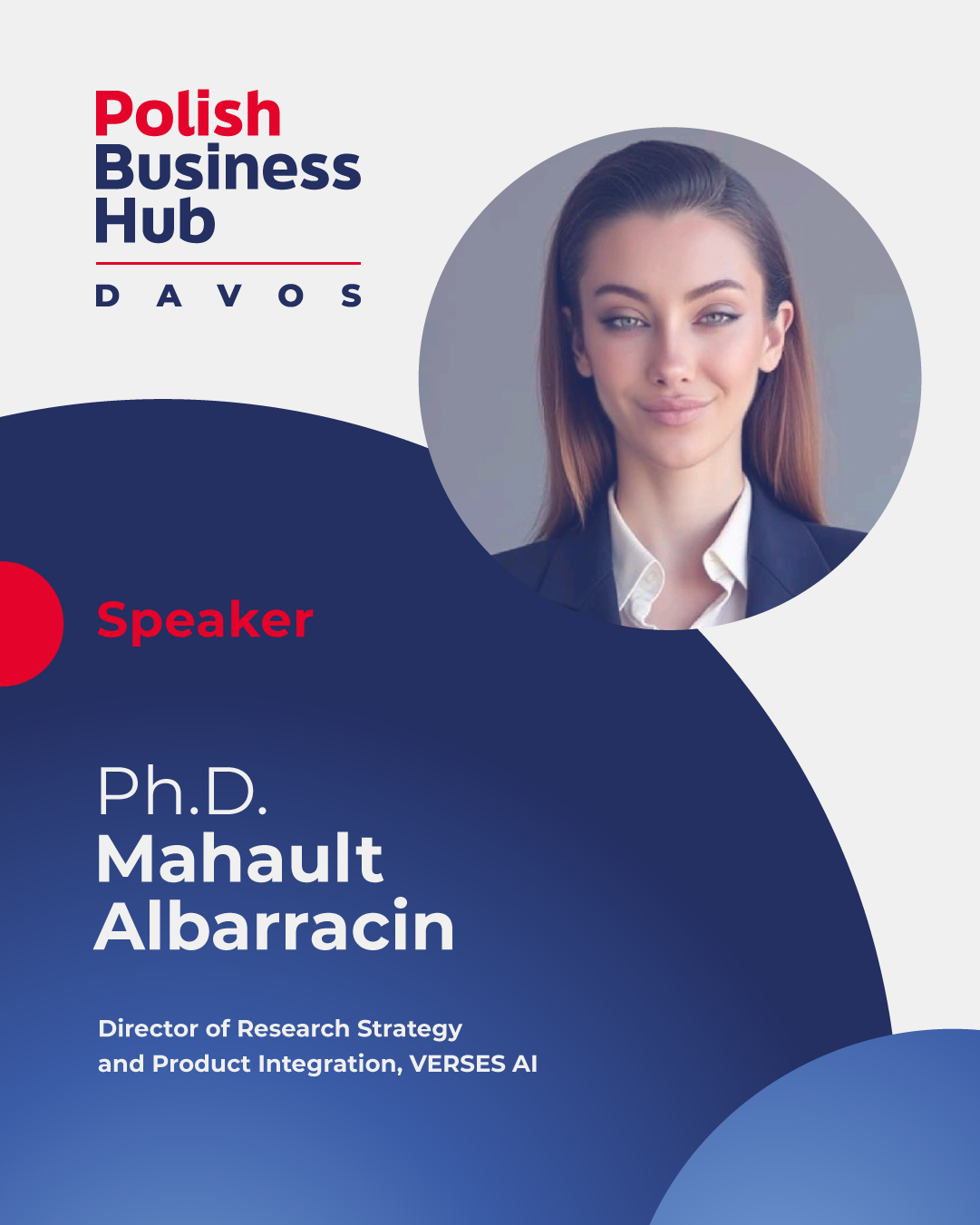
Mahault Albarracin Ph.D.
Director of Research Strategy and Product Integration, VERSES AI
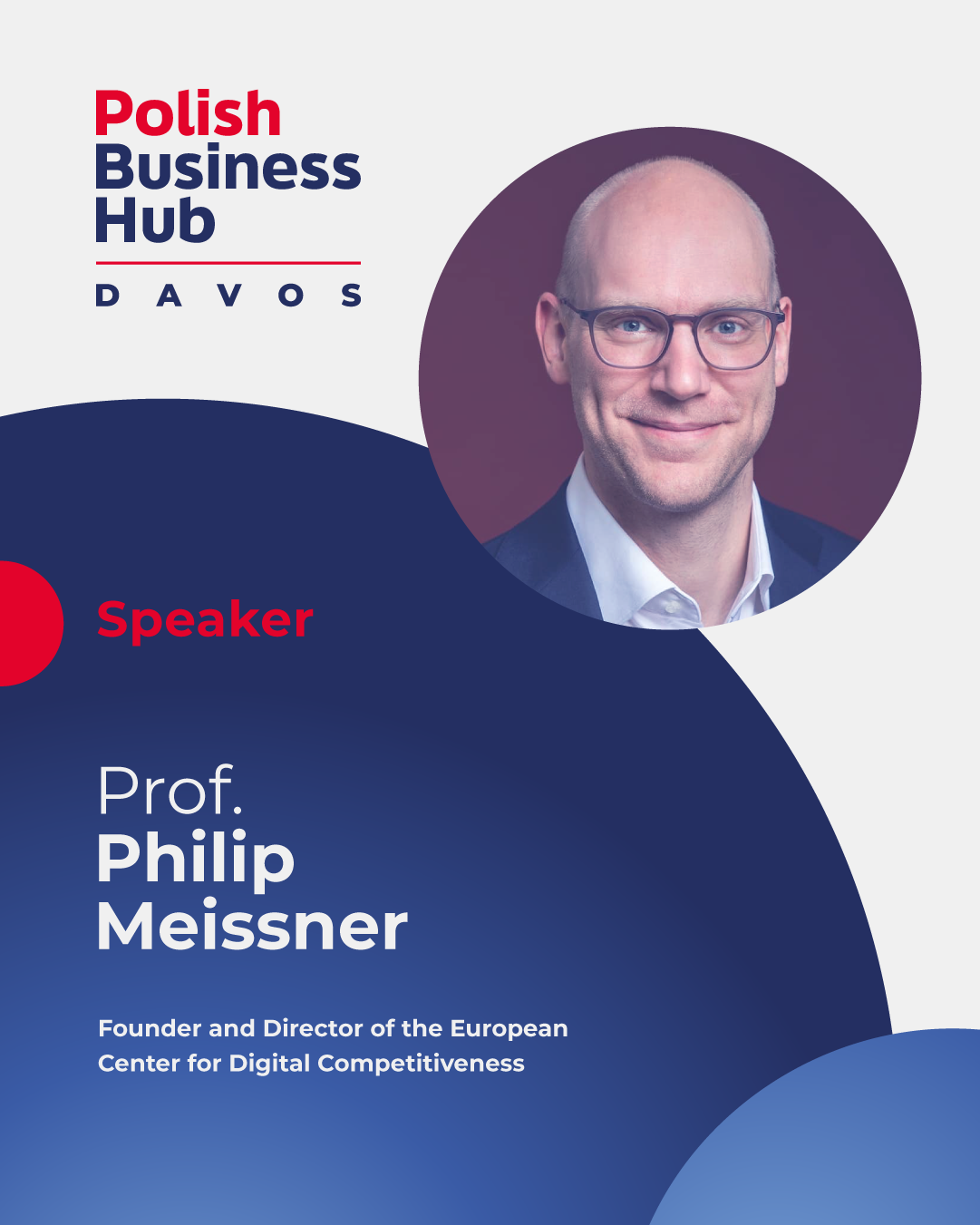
Philip Meissner
Founder and Director of the European Center for Digital Competitiveness
Marcin Kuśmierz
CEO, Allegro
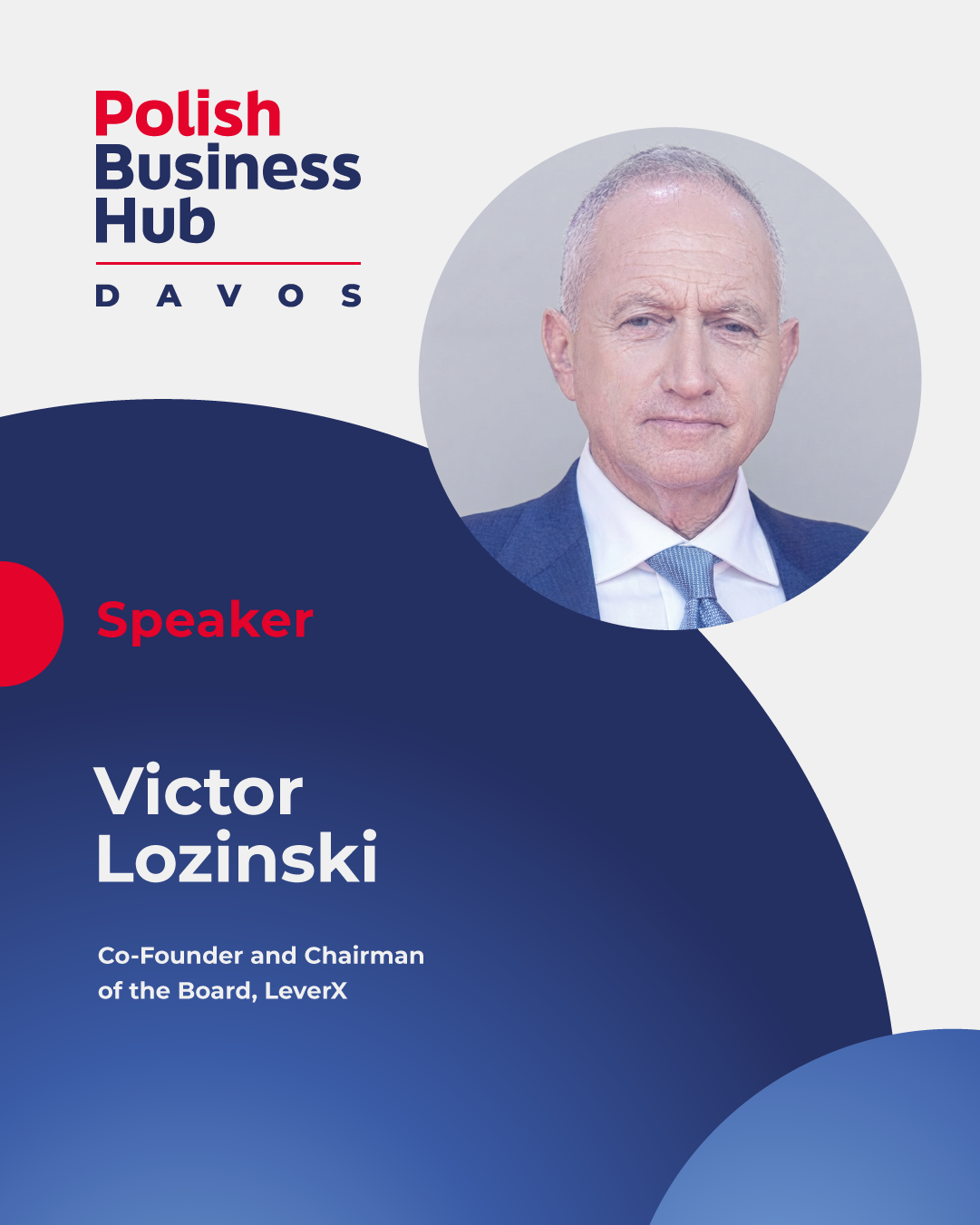
Victor Lozinski
Co-Founder and Chairman of the Board, LeverX
Ground floor
12:00
13:00
Book
This high-level debate explores Poland’s remarkable economic transformation over the past three decades, from one of Europe’s poorest countries to a dynamic and resilient economy. The panel will examine the key factors behind this success, including strong institutions, integration with the EU, a growing and mobile middle class, and policies supporting private enterprise and innovation. Participants will discuss whether Poland’s model can offer lessons for other European countries seeking sustainable growth, social cohesion, and economic competitiveness.
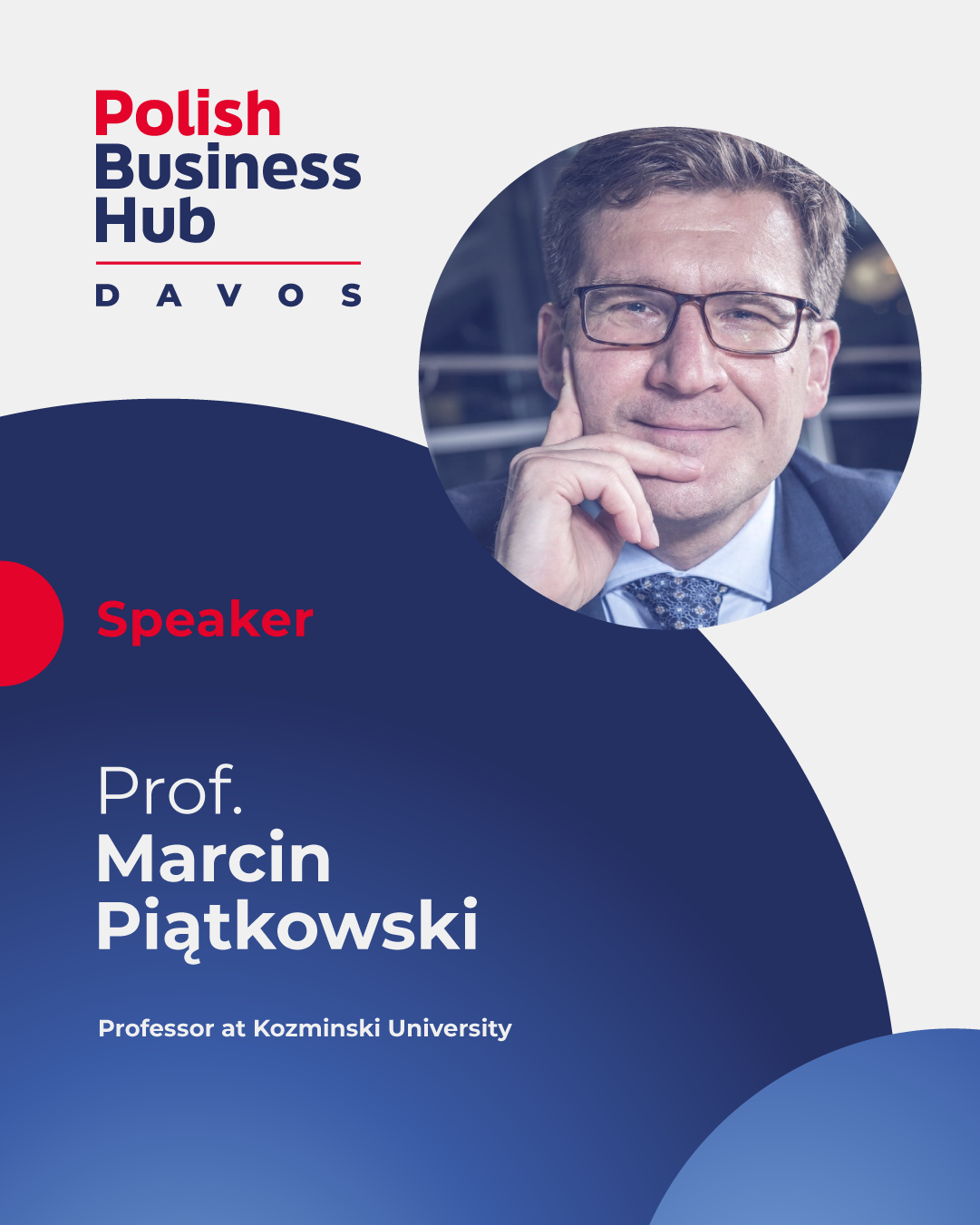
Prof. Marcin Piątkowski
Professor of Economics at Kozminski University
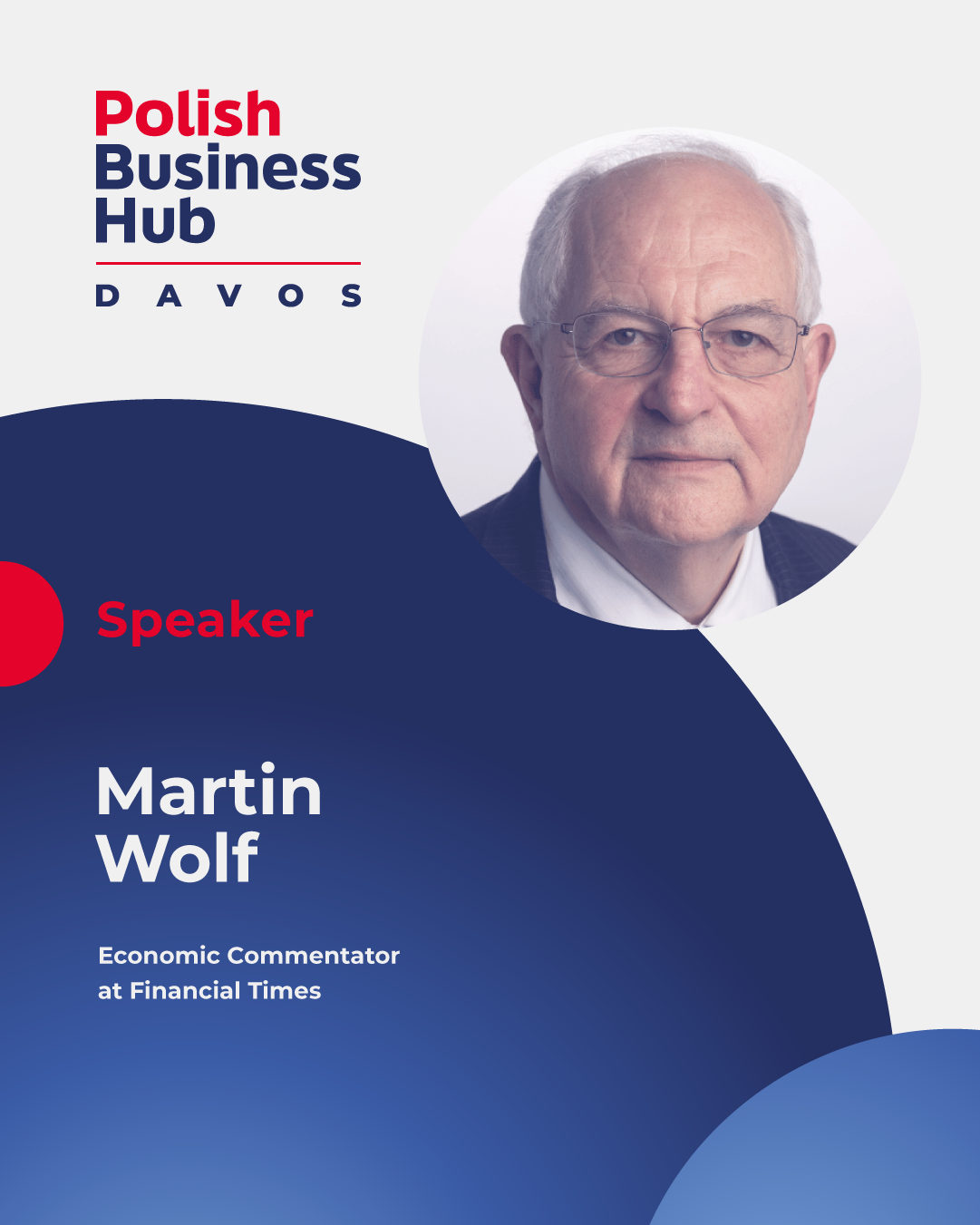
Martin Wolf
Economic Commentator at Financial Times
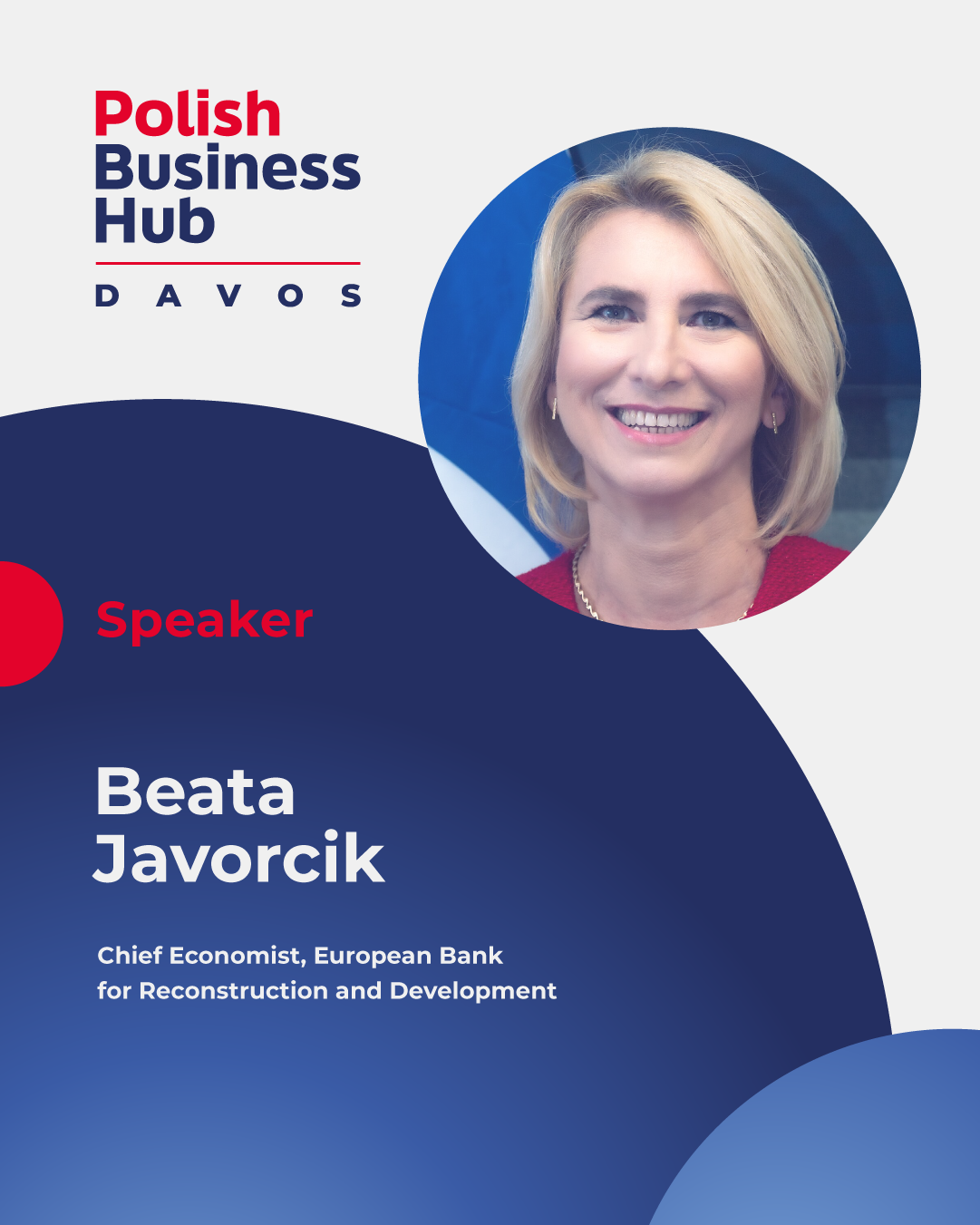
Beata Javorcik
Chief Economist, European Bank for Reconstruction and Development
Ground floor
13:30
14:30
Book
The world’s economic map is being redrawn in real time. Geopolitical shocks, fractured supply chains, and the relentless march of AI have turned stability into a luxury. Boardrooms are no longer asking if disruption will hit, but how fast and how deep. Talent markets are splintering under automation pressure, technology is leaping from pilots to production, and transformation has shifted from a strategic option to a survival mandate. In Davos, where global decision-makers converge, this debate cuts to the heart of the question: how do leaders steer through Tensions, manage Transitions, and set a Trajectory that secures resilience and growth in a world on edge?
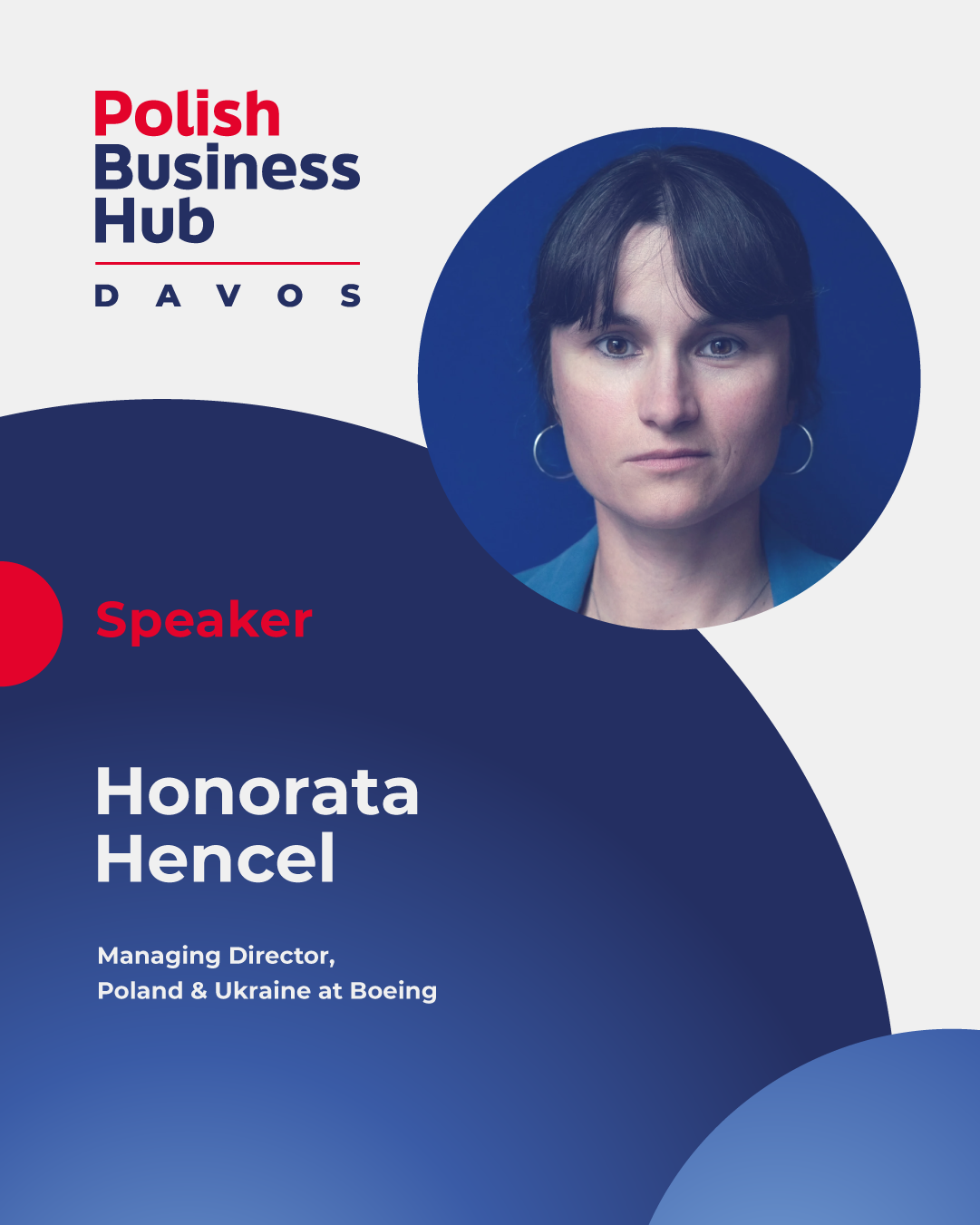
Honorata Hencel
Managing Director, Poland & Ukraine at Boeing
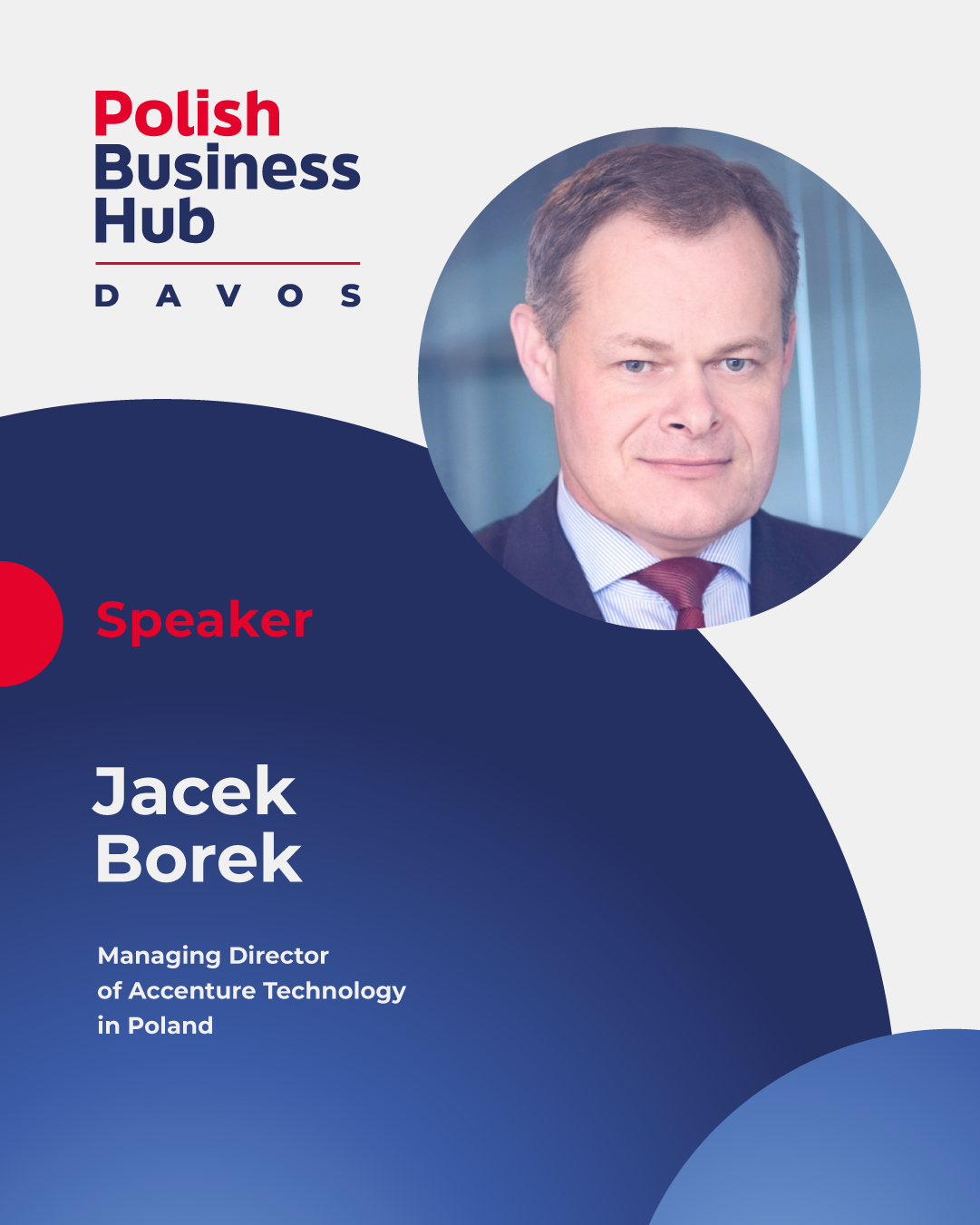
Jacek Borek
Managing Director of Accenture Technology in Poland
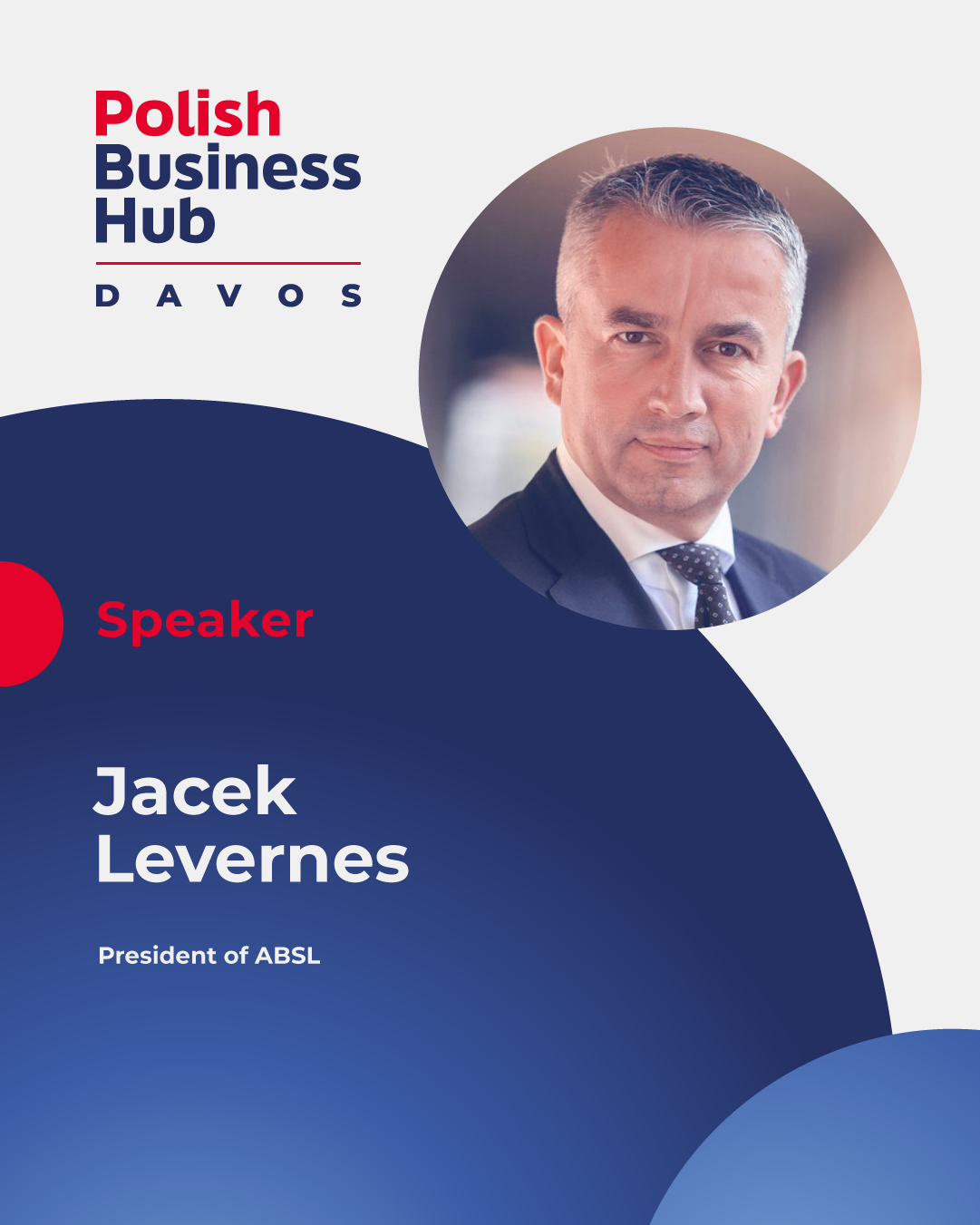
Jacek Levernes
President of ABSL
Ground floor
9:00
10:00
Book
This panel will explore how advancements in aviation and space technology are driving innovation in drone operations, satellite integration, and industrial applications. Participants will discuss AI-powered autonomous platforms, real-time satellite data for logistics and infrastructure monitoring and opportunities for public-private collaboration. The discussion will also cover investment strategies, cross-sector innovation and the growing industrial ecosystem connecting space technology with drones.
Ground floor
13:30
14:30
Book
Grey zones in Europe are increasingly threatening trade and energy routes, with Eastern Ukraine, parts of Moldova, and the Kaliningrad Exclave radiating instability that affects both NATO and the European Union. The Zaporizhia Nuclear Power Plant crisis has exposed serious gaps in effective supervision over nuclear facilities, raising concerns in the context of potential projects such as the Baltic Nuclear Power Plant in Kaliningrad. At the same time, a growing number of incidents in the Baltic Sea highlight the need for stronger oversight of trade and energy routes as well as nuclear risks in the region. Rising tensions also increase the likelihood of environmental disasters, including oil spills and nuclear-related accidents, strengthening the case for enhanced regulatory supervision by international bodies such as the International Energy Agency. This panel will bring together experts in security, energy, and environmental governance to discuss these risks, identify regulatory gaps, and explore concrete policy responses at regional and international levels.
To provide you with the best possible experience, we use technologies such as cookies to store and/or access information on your device. Consenting to these technologies will allow us to process data such as your browsing behavior or unique identifiers on this website. Not providing consent or withdrawing consent may impair certain features and functionality.